Species Spotlight: Mexican Turbo Snail

Mexican Turbo Snail – The Algae-Eating Bulldozer Every Reef Tank Secretly Needs

Scientific Name: Turbo fluctuosa

Species Type: Saltwater Fish

Native Location: Eastern Pacific Coast of Mexico and Baja California

Introduction: The Tiny Tank Janitor With the Appetite of a Lawnmower

If reef aquariums had maintenance crews, the Mexican Turbo Snail would absolutely be the employee who works overtime without ever asking for a raise.

The Mexican Turbo Snail (Turbo fluctuosa) is one of the most popular saltwater cleanup crew members in the aquarium hobby, famous for its ability to devour nuisance algae with astonishing efficiency. Native to the rocky coastal waters of the Eastern Pacific Ocean, particularly around Baja California and Mexico’s Pacific coastline, this hardy marine snail thrives in areas with strong water movement and abundant algae growth.

At first glance, the Mexican Turbo Snail might not seem particularly glamorous. It lacks the neon colors of reef fish and the hypnotic swaying tentacles of corals. But what it does have is an almost legendary reputation among reef keepers. These snails are essentially algae-eating bulldozers with shells.

Large, powerful, and constantly hungry, Mexican Turbo Snails can clear algae-covered rocks faster than many aquarists expect. They are especially valued for consuming hair algae, film algae, and other stubborn nuisance growths that can overwhelm reef aquariums if left unchecked.

Of course, their enthusiastic cleaning style comes with a little chaos. A Mexican Turbo Snail has all the grace of a shopping cart with one bad wheel. Corals may occasionally get bumped, unsecured frags can mysteriously relocate overnight, and aquascapes sometimes receive “unexpected renovations.” Yet despite their clumsy tendencies, aquarists continue to adore them because they genuinely help maintain healthier marine environments.

For beginner reef keepers, they are often one of the first invertebrates added to a tank. For experienced hobbyists, they remain trusted members of long-term cleanup crews. In many ways, the Mexican Turbo Snail represents one of the most practical partnerships in marine aquarium keeping: the aquarist provides algae, and the snail happily makes it disappear.

Research Insights: Nature’s Efficient Cleanup Crew

Scientists have long studied grazing invertebrates like Mexican Turbo Snails because of their important role in maintaining healthy reef ecosystems. In the wild, these herbivorous snails help prevent algae from overtaking coral reefs, protecting corals from being smothered by fast-growing algae.

Mexican Turbo Snails use a specialized feeding structure called a radula – a tongue-like organ covered in microscopic teeth – to scrape algae from rocks and aquarium surfaces. Their constant grazing helps control algae growth naturally, making them highly valued in reef aquariums.

Aquarists often note that Mexican Turbo Snails consume larger amounts of algae than many smaller cleanup crew snails, especially during hair algae outbreaks. They are also adaptable feeders and may accept supplemental foods like dried seaweed when natural algae becomes limited.

Researchers have additionally observed that turbo snails possess incredibly strong muscular feet, allowing them to grip surfaces with surprising force. In aquarium terms, that means if a Mexican Turbo Snail decides to bulldoze through your aquascape, unsecured decorations may be coming along for the ride.

Unique Characteristics: The Slow-Motion Bulldozer of the Reef

The Mexican Turbo Snail’s greatest claim to fame is undoubtedly its appetite. Few marine invertebrates can rival its efficiency when it comes to algae control.

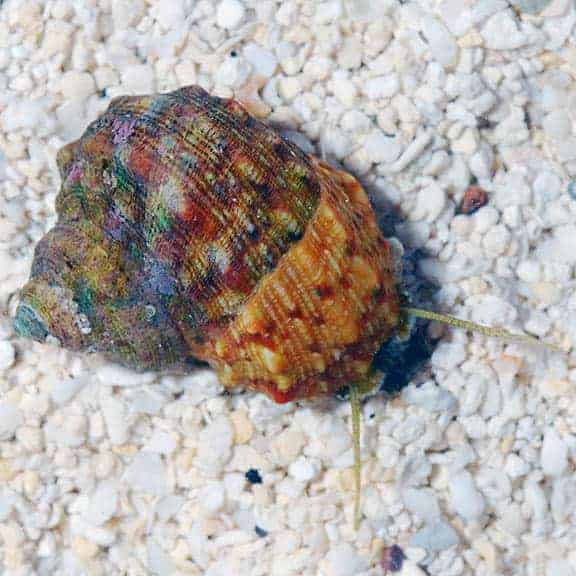
Its thick, rounded shell often displays earthy tones ranging from greenish-brown to gray, helping it blend naturally into rocky coastal environments. The shell itself serves as powerful armor against predators and rough wave conditions in the wild.

Beneath that shell lies an incredibly muscular foot that allows the snail to grip rocks, glass, and aquarium surfaces with surprising strength. Watching one climb vertically across aquarium glass can feel oddly mesmerizing – like witnessing a tiny armored tank conducting routine maintenance.

One particularly amusing trait is their complete disregard for interior decorating. Mexican Turbo Snails do not care where your coral frag was placed. If algae exists nearby, they will simply continue forward like determined little bulldozers. Reef keepers quickly learn to secure loose corals and decorations before introducing these energetic grazers.

Despite their clumsy reputation, Mexican Turbo Snails are generally peaceful and reef-safe. They do not prey on corals or fish and spend nearly all their time searching for algae-covered surfaces.

Another unique feature is their ability to right themselves if flipped over, although larger individuals sometimes struggle on flat surfaces like bare glass bottoms. Aquarists often assist overturned snails to prevent stress or predation from opportunistic tank inhabitants.

Their combination of utility, hardiness, and personality has made them iconic members of marine cleanup crews around the world.
Diet: Algae’s Worst Nightmare

The Mexican Turbo Snail’s favorite food is simple: algae, and lots of it. These hardworking herbivores eagerly consume hair algae, film algae, diatoms, and other nuisance growths commonly found in saltwater aquariums.

Using a specialized scraping organ called a radula, they graze algae from rocks, glass, pumps, and other tank surfaces. Their nonstop feeding makes them one of the most effective natural solutions for algae control in reef tanks.

Because of their large appetite, Mexican Turbo Snails are best suited for medium to larger aquariums with plenty of algae growth. In cleaner tanks, supplemental foods like dried seaweed or algae wafers may be needed to keep them healthy.

Beyond algae control, their grazing activity also helps improve overall tank cleanliness by reducing detritus buildup and keeping live rock surfaces clear and healthy.

Size and Tank Requirements: Big Snail Energy

Mexican Turbo Snails are among the larger algae-grazing snails in the reef hobby, typically growing 2–3 inches in diameter. Because of their size and heavy appetite, they do best in aquariums of at least 30 gallons with plenty of algae growth.

They thrive in stable marine conditions with temperatures of 72–78°F, salinity between 1.024–1.026, moderate to strong water flow, and high oxygen levels. Proper acclimation is essential, as they are sensitive to sudden changes in water chemistry.

Live rock provides valuable grazing surfaces and shelter, while adequate calcium and alkalinity help support healthy shell growth. Aquarists should also secure loose frags and decorations, since these determined algae grazers are known for accidentally “redecorating” tanks during feeding adventures.

Like most marine invertebrates, Mexican Turbo Snails should never be exposed to copper-based medications.

Compatibility: Peaceful, Helpful, and Slightly Clumsy

The Mexican Turbo Snail is widely considered reef-safe and community-friendly. It coexists peacefully with most fish, corals, and invertebrates commonly found in marine aquariums.

Because they are herbivores, they pose no threat to corals or tankmates. Their primary concern is finding the next algae patch to consume.

They are excellent additions to reef cleanup crews alongside species such as hermit crabs, nassarius snails, trochus snails, and cleaner shrimp. Each cleanup crew member performs slightly different ecological roles, helping maintain a balanced aquarium environment.

That said, some caution is necessary when housing them with aggressive or predatory species. Certain wrasses, triggerfish, puffers, and large crabs may harass or prey upon snails.

Their large size can also unintentionally disturb delicate coral placements. While they are not destructive intentionally, their sheer strength means they occasionally topple unsecured frags or decorations.

Interestingly, many aquarists report that Mexican Turbo Snails become surprisingly entertaining to observe over time. Watching them methodically traverse rockwork while carrying tiny hitchhiking particles on their shells adds a subtle charm to reef aquariums.

They may not display dramatic personalities like fish, but their constant activity contributes significantly to the tank’s overall health and visual cleanliness.

Species Summary: Why Reef Keepers Love This Algae-Eating Powerhouse

The Mexican Turbo Snail has become one of the most trusted cleanup crew members in the reef aquarium hobby thanks to its incredible algae-eating ability. Hardy, peaceful, and reef-safe, it helps naturally control nuisance algae while reducing tank maintenance.

Beyond its usefulness, this hardworking snail brings plenty of personality with its nonstop grazing and clumsy bulldozing habits. A single healthy Mexican Turbo Snail can make a noticeable difference during algae outbreaks, making it a favorite among both beginner and experienced reef keepers.

With proper care and stable water conditions, these snails become valuable partners in maintaining a clean, balanced, and thriving marine aquarium.

Wrap-Up: Small Snail, Massive Impact

The Mexican Turbo Snail proves that not every aquarium superstar needs flashy colors or dramatic swimming patterns to earn admiration.

Sometimes, the real heroes are the ones quietly cleaning the glass at 2 a.m.

With its unstoppable appetite, hardy nature, and reef-safe temperament, Turbo fluctuosa remains one of the most trusted and beneficial invertebrates in marine aquarium keeping. Whether you are building your first reef tank or maintaining a mature coral ecosystem, this hardworking snail can play an essential role in keeping algae under control and promoting a healthier environment.

At Frags 2 Fishes, marine enthusiasts can continue exploring the fascinating world of saltwater aquarium life through detailed species spotlights, expert guidance, and resources designed to support thriving aquatic ecosystems. From beginner-friendly cleanup crew members to advanced reef inhabitants, there is always something new waiting to be discovered in the ever-evolving world of marine aquariums.

Leave a Reply