Species Spotlight – Ultra Rock Flower Anemone

Not Just Part of the Reef – The Masterpiece of It

Scientific Name: Phymanthus crucifer

Species Type: Marine anemone

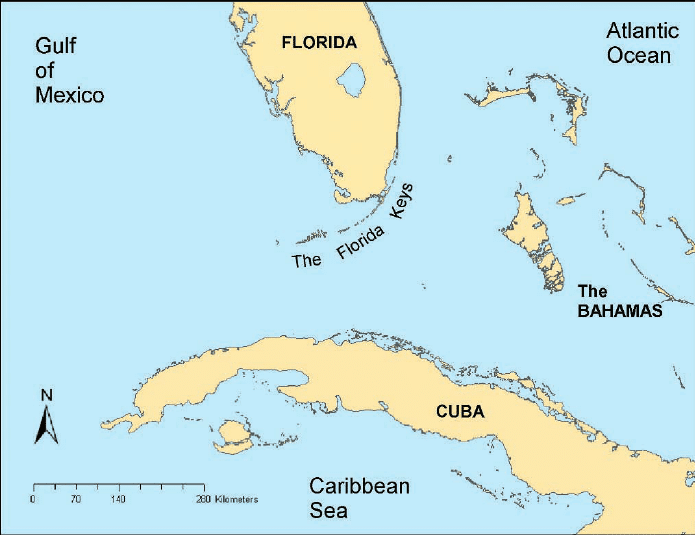
Native Location: Western Atlantic Ocean, including the Caribbean Sea, Gulf of Mexico, Florida Keys, and surrounding tropical reef systems

Introduction: When a Sea Anemone Decides to Be a Showpiece

The Ultra Rock Flower Anemone is a visually striking reef inhabitant known for its bold colors, dramatic patterns, and strong visual presence, earning its reputation as living art rather than background décor. Scientifically classified as Phymanthus crucifer, the “ultra” label reflects especially vibrant specimens prized by aquarists. Native to the Western Atlantic, including the Caribbean and Gulf of Mexico, these anemones inhabit shallow reefs and sandy or rubble zones where they anchor securely and remain largely stationary. Solitary and photosynthetic, they are more forgiving than many other anemone species and thrive without hosting clownfish, making them a popular choice for reef keepers seeking color, stability, and low drama.

Research Insights: What Science Says About a Surprisingly Tough Anemone

Research shows that Rock Flower Anemones succeed in both the wild and aquariums due to a balance of resilience and specialization. Their symbiotic relationship with zooxanthellae allows them to gain much of their energy from light, reducing the need for frequent feeding. Studies also highlight their strong attachment and site fidelity, with a securely anchored foot that helps them remain stable in high-flow conditions. Unlike hosting anemones, Rock Flower Anemones function independently of fish partners, a trait that contributes to their adaptability and lower stress levels—confirming their reputation as a stable, low-drama reef inhabitant.

Unique Characteristics: Nature’s Tie-Dye Experiment Gone Right

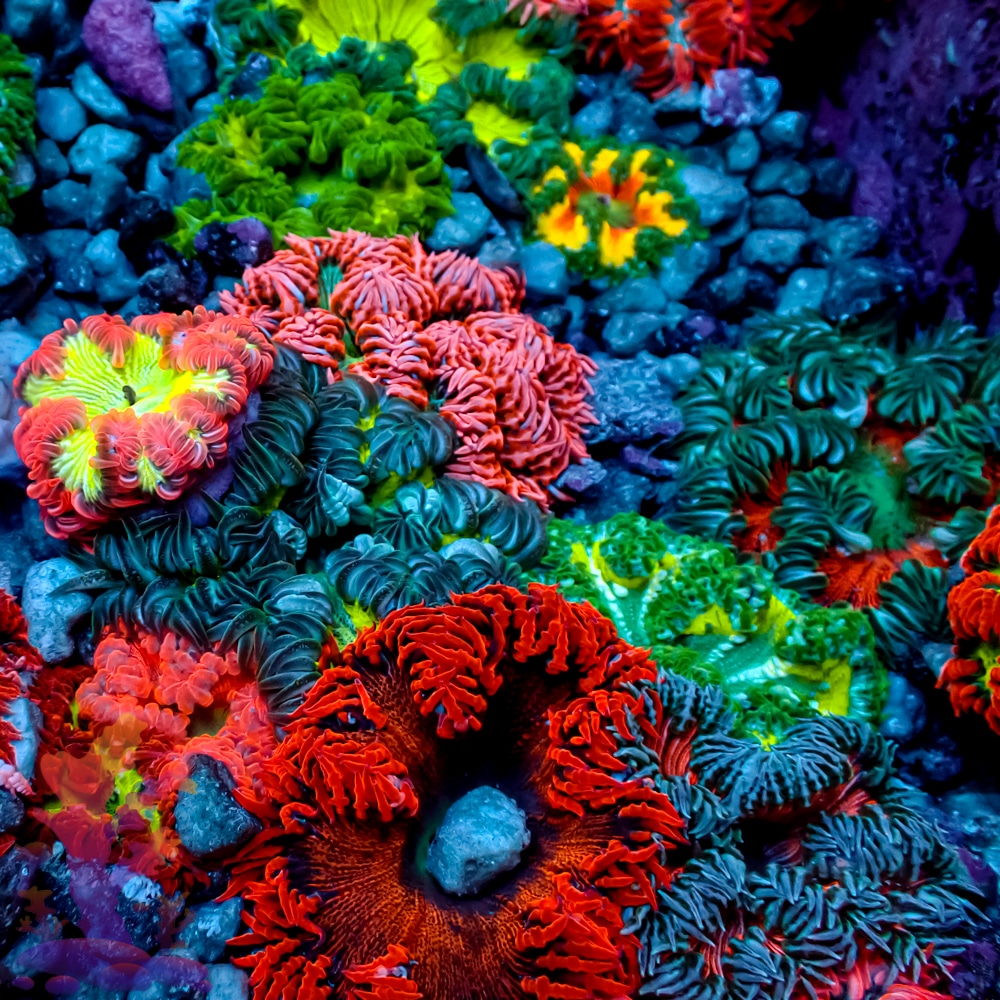
The Ultra Rock Flower Anemone stands out for its striking visual diversity, displaying vivid colors and intricate patterns that range from neon greens and fiery reds to deep purples and multi-colored striping. These pigments are not just decorative, offering natural protection from sunlight, camouflage, and predator deterrence in the wild. Its short, bulbous tentacles create a compact, flower-like appearance with a mild sting, making it less aggressive than many other anemones. Once settled, Rock Flower Anemones rarely move, providing predictability and safety in reef aquariums, and they thrive independently without the need for clownfish or other symbiotic partners.
Diet: Photosynthesis First, Snacks Appreciated

Rock Flower Anemones rely heavily on photosynthesis from their symbiotic algae to meet their energy needs, but supplemental feeding supports vibrant coloration, growth, and long-term health—especially in aquariums. In the wild, they capture zooplankton, tiny crustaceans, and organic particles using their tentacles, and in captivity they readily accept small meaty foods such as mysis shrimp and finely chopped seafood. Feeding once or twice a week is sufficient, as overfeeding can harm water quality. Proper nutrition helps maintain fuller tentacles, brighter colors, and a more stable, well-anchored anemone.

Size and Tank Requirements: Small Footprint, Big Visual Impact

Rock Flower Anemones are compact compared to many other anemone species, making them suitable for a wide range of reef systems.

Size

Most specimens reach 2 to 4 inches in diameter, though particularly mature individuals may grow slightly larger under optimal conditions.

Tank Size

A minimum tank size of 20 gallons is recommended, though larger systems offer greater stability and placement options.

Ideal Conditions

  • Temperature: 75–80°F (24–27°C)
  • Salinity: 1.024–1.026
  • pH: 8.1–8.4
  • Lighting: Moderate to high
  • Flow: Low to moderate

Rock Flower Anemones prefer stable parameters and gentle flow that allows tentacles to move without being blasted.

Placement Tips

They thrive when their foot is anchored in sand or a crevice between rocks, with the oral disc exposed to light. Once placed and settled, they typically remain stationary.

Compatibility: The Peaceful Neighbor of the Reef

One of the Ultra Rock Flower Anemone’s strongest selling points is its excellent compatibility with reef inhabitants.

Temperament

These anemones are non-aggressive and unlikely to harm fish or mobile invertebrates. Their sting is mild and generally does not affect healthy tankmates.

Reef Safety

They are considered reef-safe with caution, primarily because corals placed too close may experience irritation. Adequate spacing solves this easily.

Compatible Tankmates

  • Reef-safe fish
  • Shrimp and crabs
  • Snails and clean-up crews
  • Most corals (with spacing)

They do not host clownfish, which helps prevent territorial disputes and overhandling.

Species Summary: Why the Ultra Rock Flower Anemone Stands Out

The Ultra Rock Flower Anemone offers a rare combination of beauty, stability, and approachability.

Key reasons aquarists choose this species:

  • Extraordinary color and pattern variety
  • Predictable, stationary behavior
  • No need for fish symbiosis
  • Manageable care requirements
  • Strong visual impact without aggression

It bridges the gap between coral and anemone, offering the best of both worlds.

Wrap-up: A Centerpiece That Doesn’t Steal the Peace

The Ultra Rock Flower Anemone proves that reef beauty doesn’t have to come with complications. With its jewel-like appearance, calm demeanor, and reliable behavior, it enhances marine aquariums without disrupting balance.

At Frags 2 Fishes, education is central to successful reef keeping. Through detailed species spotlights and expert resources, Frags 2 Fishes supports aquarists in building healthy, visually stunning marine environments—both online and in-store. Whether you’re refining your reef or expanding your knowledge, there’s always more beneath the surface to discover.

Leave a Reply