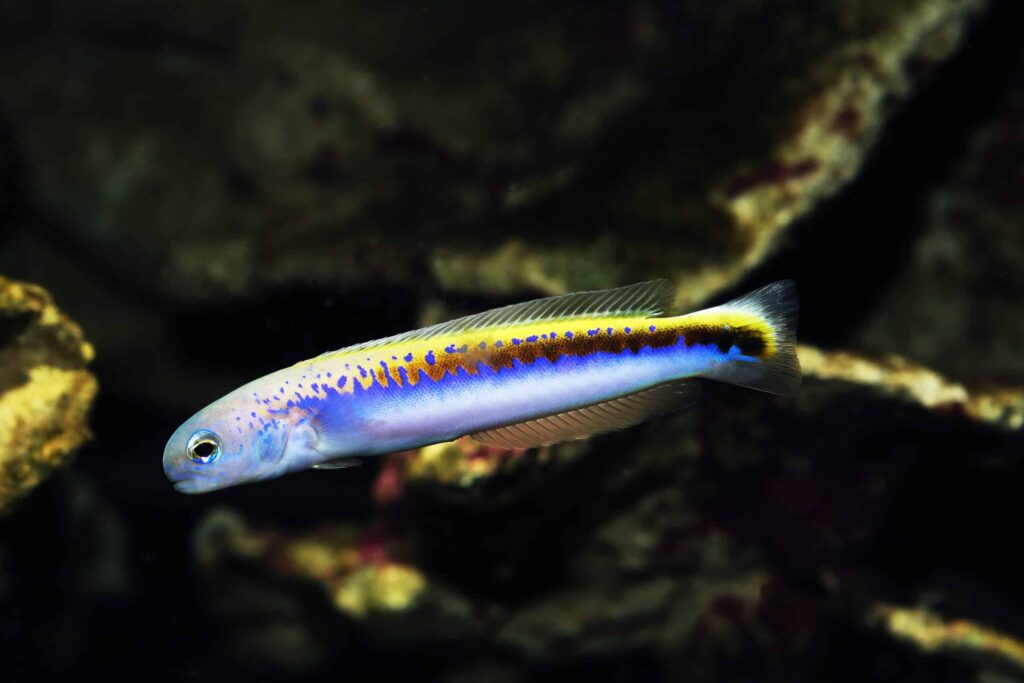
Species Spotlight: Forktail Blenny

Reef’s Peaceful Defender with a Hidden Edge

Scientific Name: Meiacanthus atrodorsalis

Species Type:  Saltwater Fish

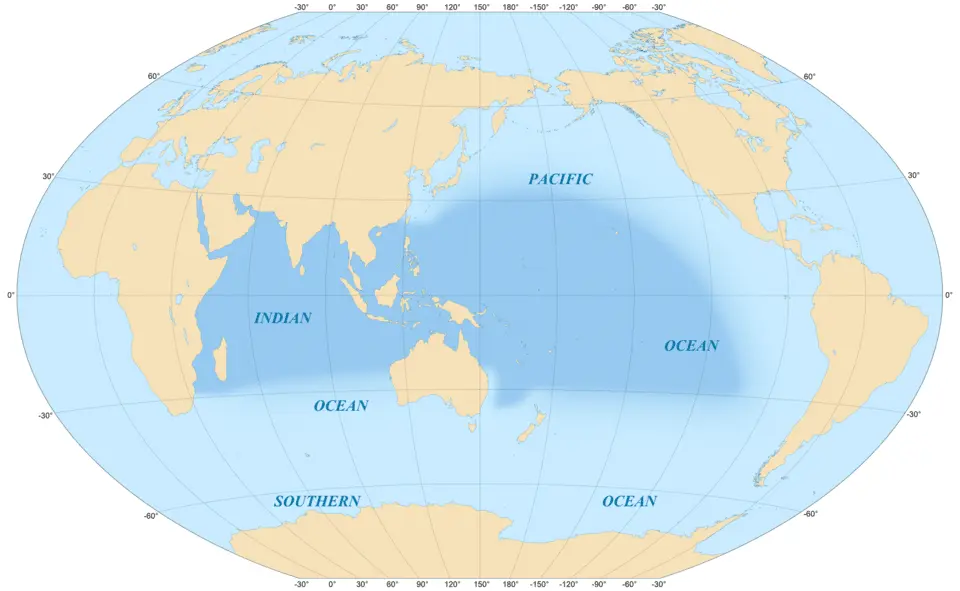
Native Location: Native to the Indo-Pacific Region (Western Pacific, Indonesia, Philippines, and surrounding reefs)

Introduction: The Tiny Reef Guardian with a Secret Weapon

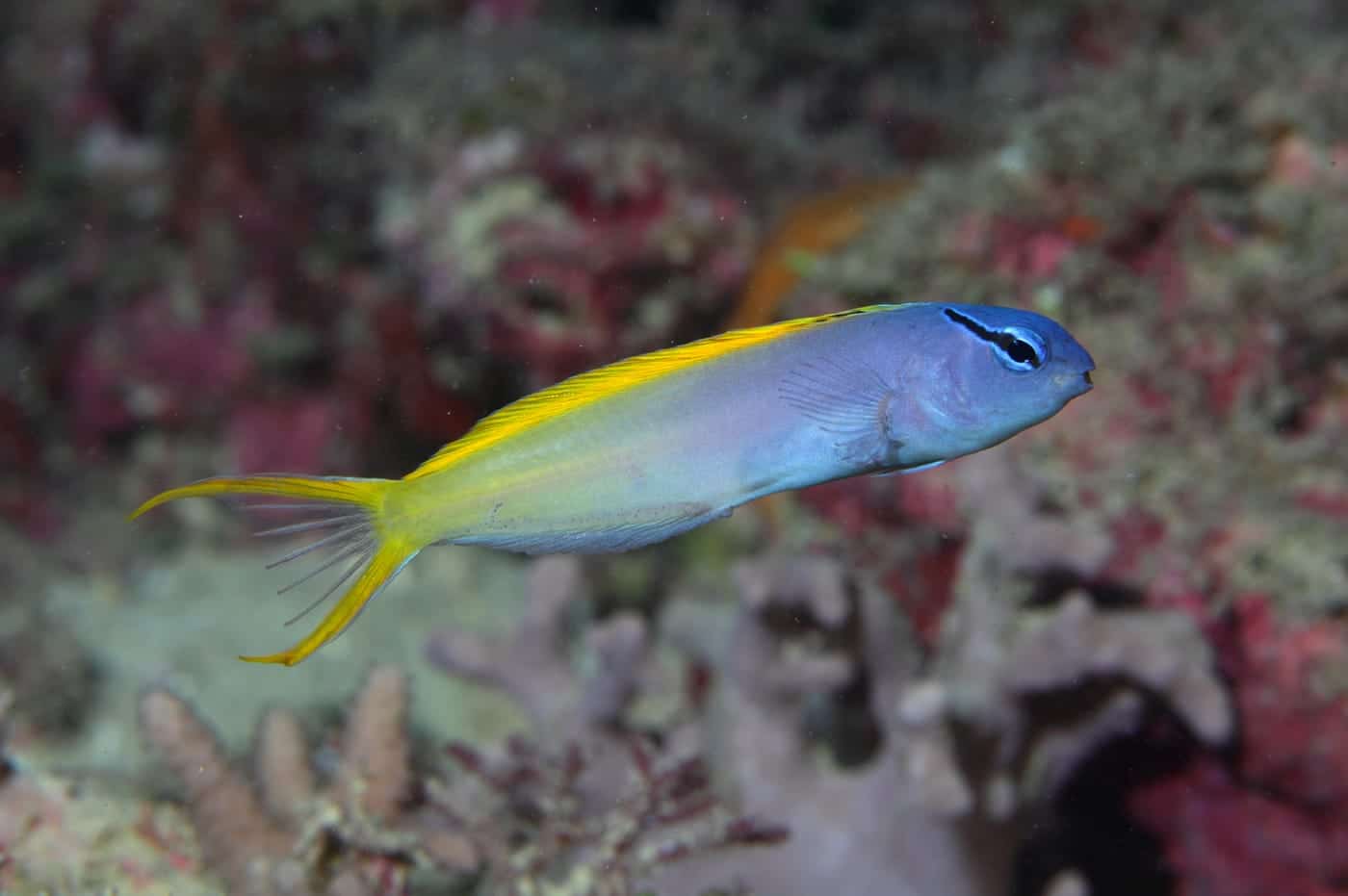
If the reef aquarium world had a superhero roster, the Forktail Blenny would definitely make the list. Small, curious, and surprisingly bold, this little fish has a personality far bigger than its size. Unlike many reef inhabitants that rely on camouflage or speed to survive, the Forktail Blenny carries a unique defense—tiny venomous fangs. Don’t worry though; these fangs aren’t meant for attacking tankmates or aquarists. Instead, they serve as a clever evolutionary defense that helps this peaceful fish avoid predators, much like nature’s version of pepper spray. Known scientifically as Meiacanthus atrodorsalis, the Forktail Blenny belongs to the fascinating group known as fang blennies. Native to shallow reefs throughout the Indo-Pacific—including Indonesia, the Philippines, and nearby Pacific islands—these fish spend their days darting among coral and rock while feeding on plankton and small organisms. In aquariums, their graceful swimming, curious personality, and distinctive forked tail make them captivating residents. With subtle tones of silver, blue, and yellow, the Forktail Blenny proves that understated beauty can quietly steal the spotlight in any reef tank.

Research Insights: The Blenny That Outsmarted the Reef

Scientists are fascinated by fang blennies, especially Meiacanthus, for their unique venomous defense. Instead of relying on speed or camouflage, they use grooved fangs connected to venom glands. Unlike typical venom, theirs doesn’t cause intense pain—it lowers blood pressure and disorients predators, giving the blenny time to escape.

This clever defense has also inspired mimicry, with non-venomous fish copying their appearance to avoid being eaten. Because of this built-in protection, fang blennies often swim more confidently in open water rather than hiding.

In aquariums, this means they’re highly visible, active fish—making them both fascinating and enjoyable to watch.

Unique Characteristics: Small Fish, Big Personality

The Forktail Blenny stands out with its sleek, slender body and signature forked tail, allowing quick, agile movement through reef structures. Its subtle silvery-blue coloration, often with soft yellow or orange highlights, shimmers beautifully under aquarium lighting.

But its true appeal lies in its behavior. Curious and alert, it perches on rocks, surveys its surroundings, and darts into open water like a tiny reef sentinel. Its smooth, eel-like swimming adds to its calm, confident presence. Despite having venomous fangs, it remains peaceful and non-aggressive, using them only for defense.

With its graceful movement and engaging personality, the Forktail Blenny is both entertaining and quietly captivating in any reef tank.

Diet: The Reef’s Tiny Opportunistic Snacker

In the wild, the Forktail Blenny feeds primarily on planktonic organisms and small invertebrates drifting through the water column. This diet classifies them as planktivores, meaning they often feed in midwater rather than grazing strictly on rock surfaces like many other blennies.

In a reef aquarium, this natural feeding behavior translates into a fish that eagerly accepts a wide range of prepared foods.

Common dietary options include:

  • Frozen mysis shrimp
  • Enriched brine shrimp
  • Finely chopped seafood
  • Marine pellets and flakes
  • Zooplankton-based frozen foods

Because they naturally feed on small drifting prey, multiple small feedings throughout the day often work best.

Forktail Blennies are generally enthusiastic eaters and quickly learn feeding routines. Many will even swim toward the front of the tank when they recognize their caretaker approaching with food.

Their diet also influences their role in the tank ecosystem. By consuming small planktonic organisms and leftover food particles, they help maintain a balanced micro-environment within the aquarium.

In short, they’re not just entertaining—they’re also helpful contributors to the reef community.

Size and Tank Requirements: Compact Fish, Comfortable Homes

The Forktail Blenny remains relatively small throughout its life, typically reaching about 3 to 4 inches (7–10 cm) in length.

Because of this modest size, they can thrive in a variety of aquarium setups. However, providing the right environment is still essential for their health and behavior.

A minimum tank size of around 30 gallons is generally recommended. Larger tanks provide more stable water conditions and additional swimming space, which these active fish appreciate.

Key tank features should include:

Live rock structures
These provide perching spots and hiding places that mimic the blenny’s natural reef habitat.

Moderate water flow
Planktivorous fish often enjoy gentle currents that simulate natural reef conditions.

Stable water parameters
Consistency is critical for marine fish health. Stable salinity, temperature, and nutrient levels help ensure long-term success.

Secure tank lids
Like many blennies, Forktail Blennies are capable jumpers, especially when startled. A covered aquarium prevents accidental escapes.

When these conditions are met, Forktail Blennies adapt extremely well to captivity and can live several years in a well-maintained aquarium.

Compatibility: The Friendly Fang Blenny

Despite their intimidating name, Forktail Fang Blennies are among the most peaceful reef fish available.

They generally coexist well with a wide variety of community fish, including:

  • Clownfish
  • Gobies
  • Dartfish
  • Wrasses
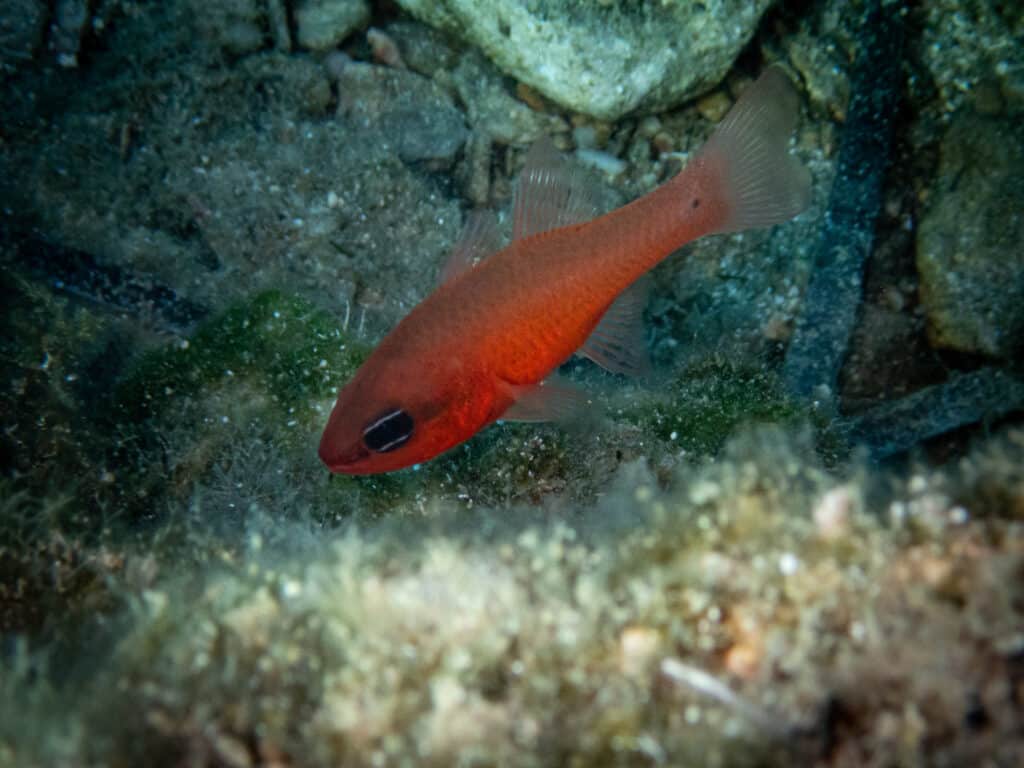
  • Cardinalfish
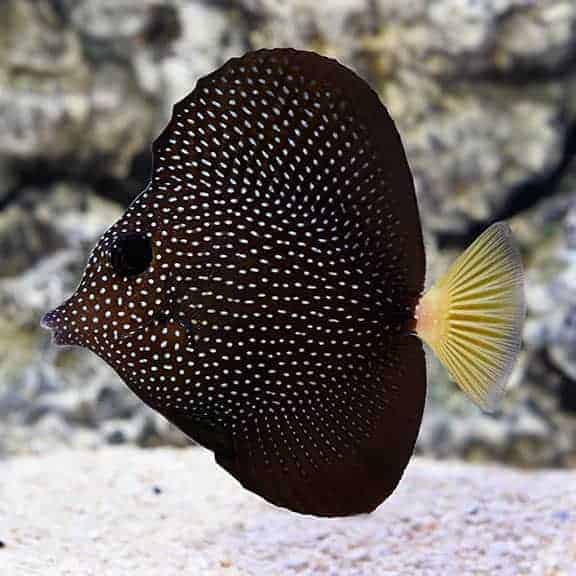
  • Tangs

Their venomous defense system discourages predators, which helps them hold their own even among larger tankmates.

However, there are a few compatibility considerations to keep in mind.

Forktail Blennies may display territorial behavior toward other fang blennies, particularly in smaller tanks. For this reason, most aquarists keep only one unless the aquarium is large enough to support multiple territories.

They are also considered reef safe, meaning they do not harm corals or most invertebrates. This makes them an excellent addition to reef aquariums focused on coral health and biodiversity.

Because of their calm temperament and unique behaviors, they often integrate smoothly into established reef communities without causing disruptions.

Species Summary: Why the Forktail Blenny Wins Hearts

Among the countless species available to marine aquarists, the Forktail Blenny stands out as a truly special fish.

It combines several traits that hobbyists love:

  • Peaceful temperament
  • Unique defensive adaptation
  • Graceful swimming behavior
  • Manageable size
  • Reef-safe compatibility

But perhaps its most appealing trait is its personality.

Forktail Blennies often develop recognizable routines and behaviors that make them feel more like individual characters than just another fish in the tank. Watching one perch on a rock, dart into open water, and then return to its lookout spot can become a daily highlight for aquarists.

They offer the perfect blend of beauty, curiosity, and ecological intrigue.

And unlike some more demanding marine species, they adapt readily to well-maintained home aquariums, making them suitable for both newer hobbyists and experienced reef keepers alike.

Wrap-Up: A Little Fish with Big Reef Appeal

Few reef fish combine elegance, personality, and clever survival strategies like the Forktail Blenny. Its subtle beauty and unique venomous defense make it a fascinating addition to any aquarium, offering hobbyists a chance to observe nature’s ingenuity up close.

At Frags 2 Fishes, you’ll find the knowledge and resources to support every stage of your reef-keeping journey. With the right care and environment, even a small fish like the Forktail Blenny can become a standout feature—proving that the smallest reef inhabitants often leave the biggest impression.

Leave a Reply