Species Spotlight: : Ocellaris Clownfish

The Reef’s Most Famous Roommate: The Ocellaris Clownfish

Scientific Name: Amphiprion ocellaris

Species Type: Saltwater reef fish (Marine clownfish)

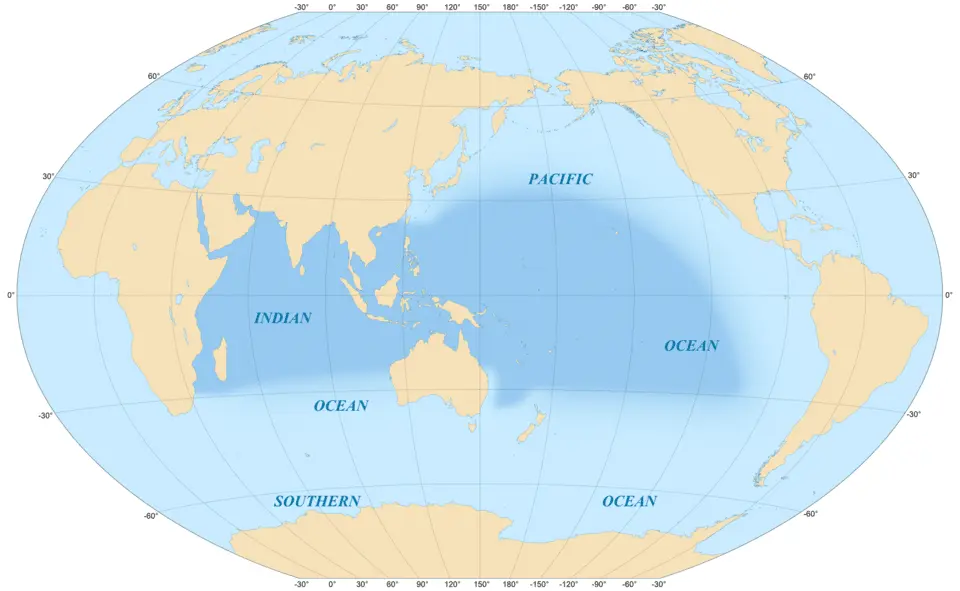
Native Location: Indo-Pacific, including Northern Australia, Indonesia, the Philippines, Papua New Guinea, and parts of Southeast Asia and Japan.

Introduction: Orange, White, and a Little Bit of Attitude

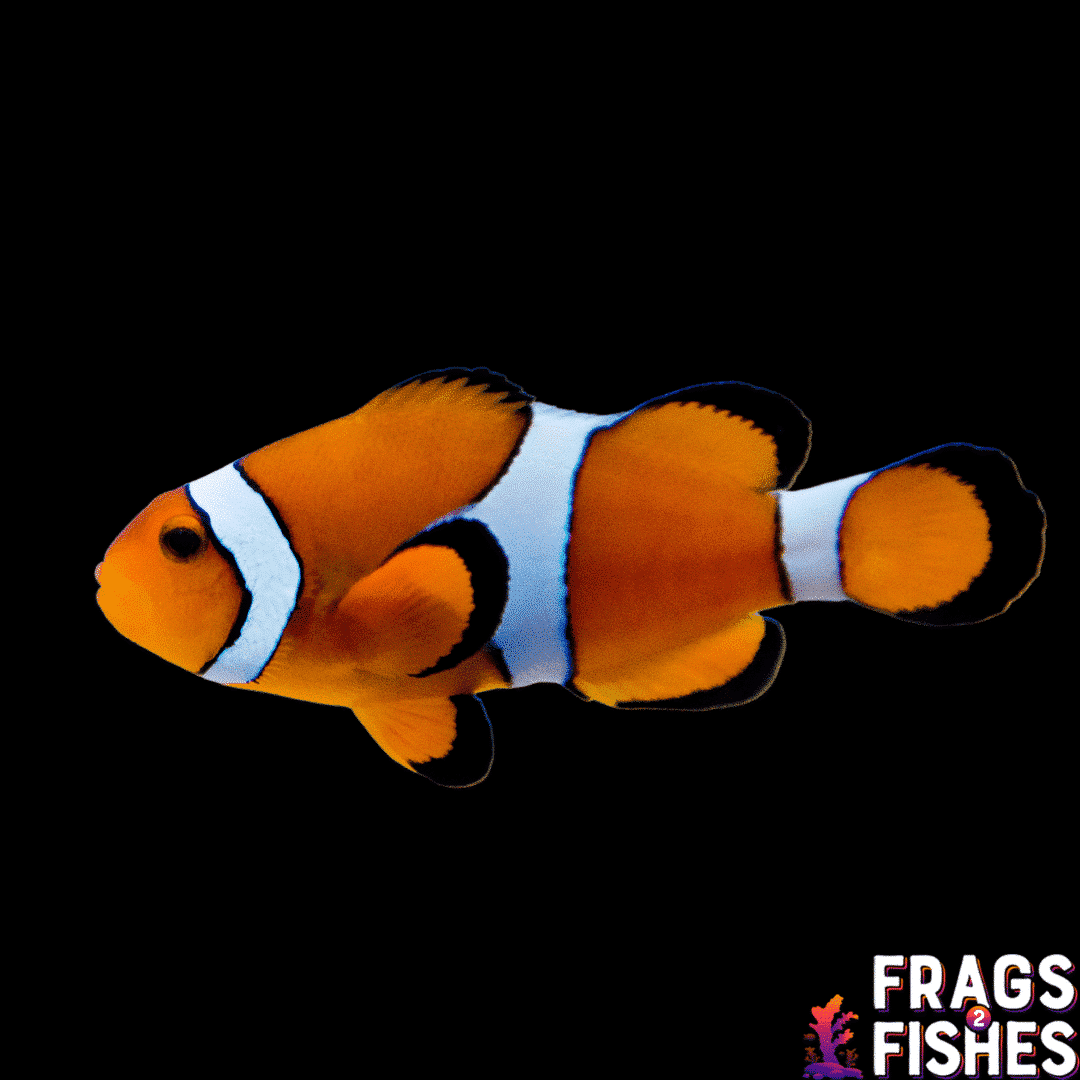
If Hollywood ever needed a mascot for reef aquariums, the Ocellaris Clownfish would already have an agent. Boldly striped in orange and white, perpetually peeking out from the swaying tentacles of an anemone, Amphiprion ocellaris is arguably the most recognizable saltwater fish on the planet.

Native to the warm tropical waters of the Indo-Pacific from Northern Australia to Southeast Asia and up toward Japan this saltwater reef fish thrives in shallow lagoons and coral reefs. In the wild, it forms tight-knit partnerships with sea anemones, creating one of the ocean’s most iconic roommate arrangements.

Small but charismatic, peaceful yet confident, the Ocellaris Clownfish is proof that you don’t need to be large to dominate the spotlight. Think of it as the reef’s version of a brightly dressed extrovert at a party not the biggest in the room, but definitely the one everyone remembers.

Reasearch Insights: Science Behind the Stripes

The Ocellaris Clownfish has fascinated marine biologists for decades not just for its appearance, but for its biology and behavior.

One of the most remarkable traits? Sequential hermaphroditism. All Ocellaris Clownfish are born male. Within a social group, the dominant individual becomes female. If the female dies, the largest male transitions into a female and assumes leadership. It’s a structured hierarchy that keeps the group stable and ensures continued reproduction.

Their immunity to anemone stings is another marvel. Unlike most fish, Ocellaris Clownfish produce a specialized mucus coating that prevents the anemone from firing its nematocysts (stinging cells). Rather than being immune from birth, clownfish gradually acclimate to their host by carefully touching the tentacles over time.

Studies of reef ecosystems have also shown that clownfish and anemones share a mutualistic relationship. The fish receive protection, while the anemone benefits from improved water circulation, nutrient input from fish waste, and protection from certain predators. It’s less “Finding Nemo” and more “Finding Symbiosis 101.”

Unique Characteristics: Personality in a Pinstripe Suit

What makes Amphiprion ocellaris stand out isn’t just its bright orange-and-white stripes, it’s the full blend of looks, behavior, and adaptability. With three crisp white bands edged in black and rounded fins softer than its cousin, the Percula Clownfish, this species also comes in striking black-and-white and designer captive-bred varieties.

Semi-aggressive but generally reef-safe, Ocellaris Clownfish may defend a small territory especially as a pair, yet rarely become tank bullies. In aquariums, they often host in Bubble Tip Anemone, but they’re just as happy claiming a coral, powerhead, or favorite corner as home base, making them an adaptable and beginner-friendly reef staple.

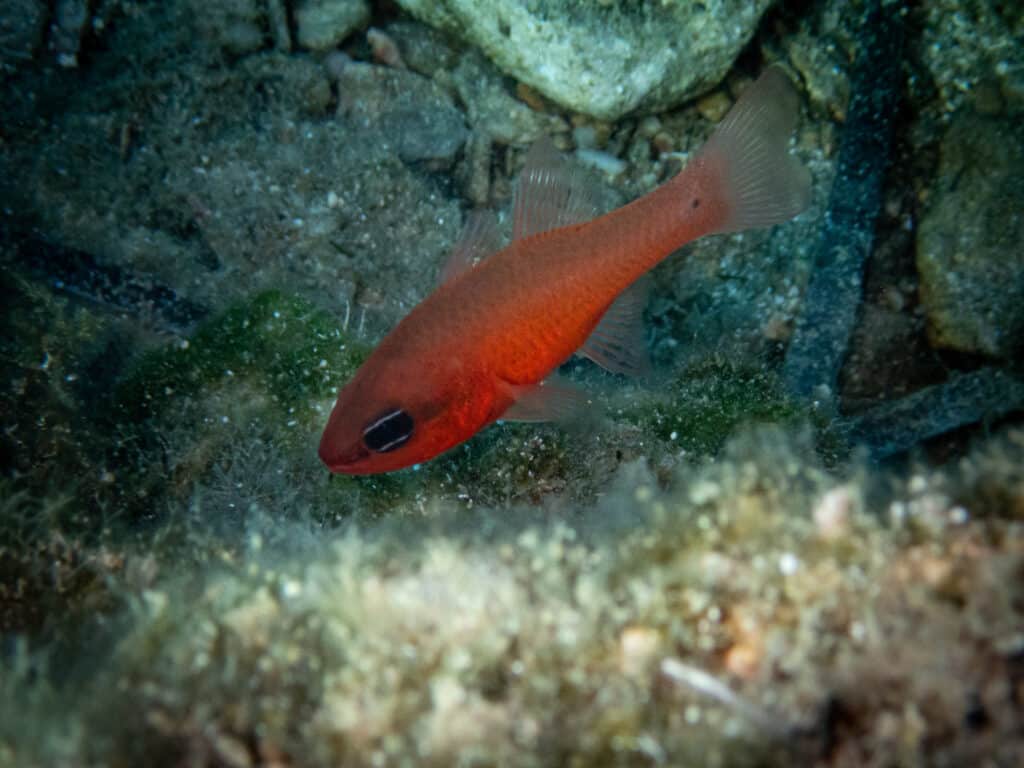
Diet: Tiny Fish, Big Appetite

Despite their modest size, Ocellaris Clownfish are enthusiastic eaters. In the wild, they consume:

  • Zooplankton
  • Small crustaceans
  • Algae
  • Bits of food captured by their host anemone

In captivity, they readily accept high-quality marine pellets, frozen mysis shrimp, brine shrimp, and finely chopped seafood. Their omnivorous diet makes feeding straightforward, and their eagerness at mealtime often makes them the first fish to greet you at the glass.

Because they are mid-water feeders, their diet influences their energetic swimming style. A well-fed clownfish is active, vibrant in color, and socially interactive, often displaying charming, almost wiggly movements near their chosen territory.

Size and Tank Requirements: Small in Size, Big on Stability

Ocellaris Clownfish remain compact throughout their lives:

  • Average size: 2.5 to 3 inches (6–8 cm)
  • Lifespan: 10–15 years with proper care

Tank Requirements

  • Minimum tank size: 20 gallons for a pair
  • Temperature: 74–80°F (23–27°C)
  • Salinity: 1.023–1.025 specific gravity
  • pH: 8.1–8.4
  • Moderate water flow
  • Stable water parameters

While they can thrive without a host anemone, aquarists who wish to keep one should ensure proper lighting and mature tank conditions before introducing anemones. Stability is key. Clownfish tolerate a range of conditions but do best in consistent, well-maintained environments.

Captive-bred Ocellaris Clownfish are especially hardy and well-suited to home aquariums, often adapting more easily than their wild counterparts.

Compatibility: Friendly — With a Hint of Territory

Ocellaris Clownfish are considered one of the most community-friendly marine fish species.

Ideal Tankmates

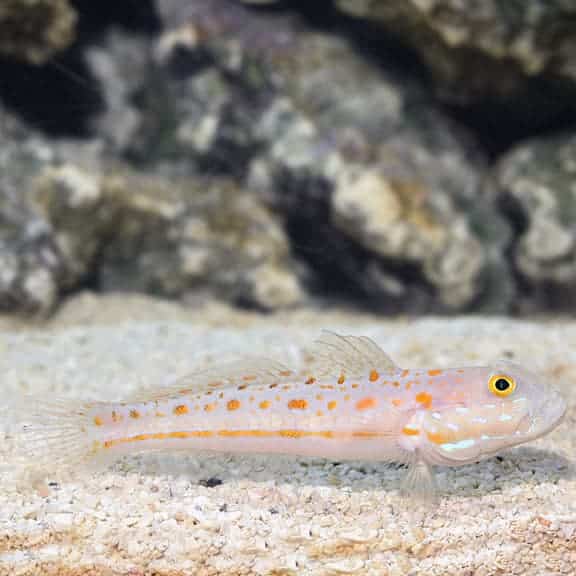
  • Gobies
  • Blennies
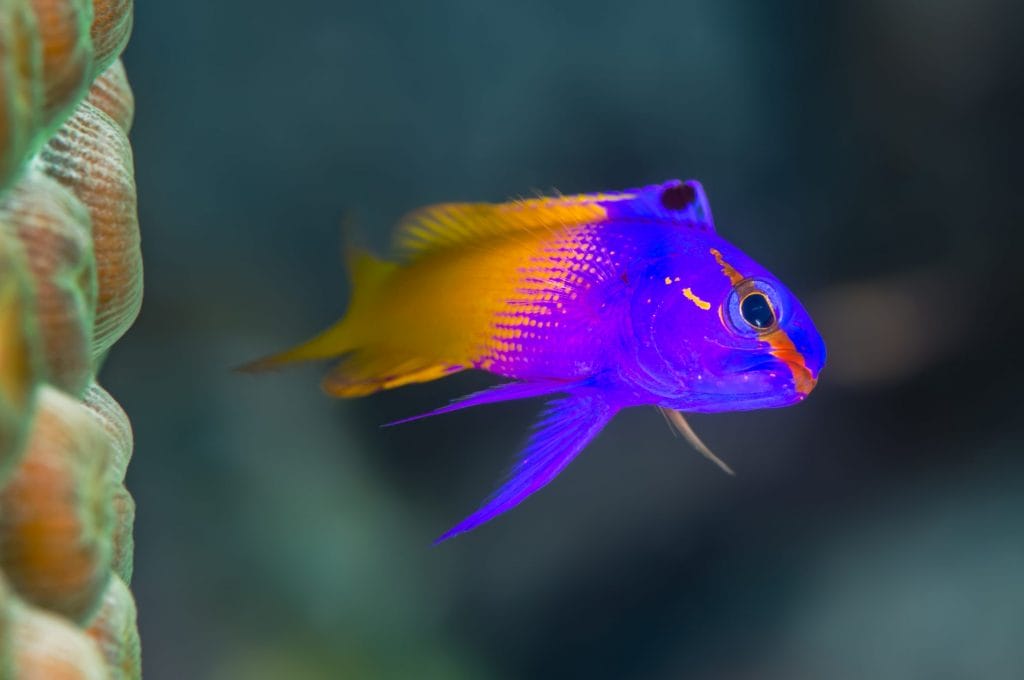
  • Royal grammas
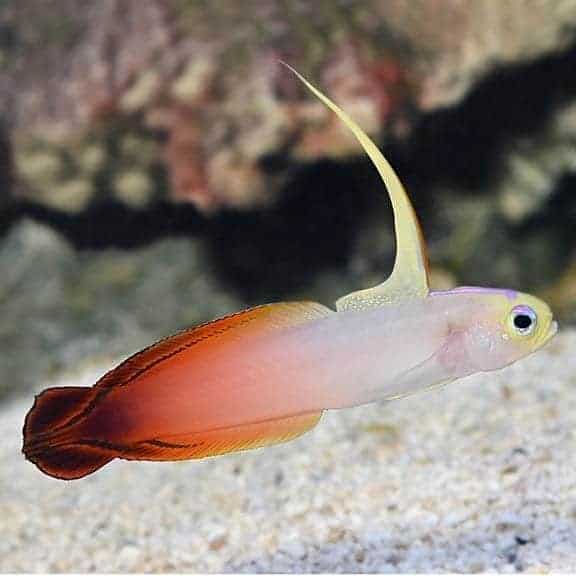
  • Firefish
  • Reef-safe wrasses
  • Most peaceful reef invertebrates

They coexist well with corals and are completely reef-safe, meaning they will not nip at polyps.

However, keeping multiple clownfish requires planning. A bonded pair works beautifully, but introducing additional clownfish can result in territorial disputes unless the tank is large and carefully structured.

As for other clownfish species, mixing is generally discouraged unless you have significant space and experience managing territorial behaviors.

Species Summary: A Reef Icon Worth the Spotlight

The Ocellaris Clownfish remains a top choice for marine hobbyists for good reason:

  • Beginner-friendly yet fascinating for advanced aquarists
  • Striking coloration that pops against live rock and coral
  • Hardy and adaptable when captive-bred
  • Engaging social behavior
  • Reef-safe compatibility
  • Long lifespan with proper care

Few species combine personality, durability, and visual appeal quite like Amphiprion ocellaris. Whether as your very first saltwater fish or as part of a thriving reef display, this species consistently earns its place as a marine classic.

Wrap-Up: More Than Just a Movie Star

The Ocellaris Clownfish may be globally famous, but its real appeal lies in its fascinating biology, adaptability, and symbiotic brilliance. Behind those bright stripes is a resilient species with complex social behavior and remarkable reef intelligence.

At Frags 2 Fishes, we go beyond the spotlight sharing trusted marine life knowledge and the essential tools to help your reef thrive, whether you’re starting your first saltwater tank or refining an established system. After all, every great reef begins with knowledge and sometimes, a little orange fish that steals the show.

Leave a Reply