Species Spotlight: Clown Pleco

Clown Pleco: The Tiny Driftwood-Loving Janitor with Big Personality

Scientific Name:Panaqolus maccus

Species Type: Freshwater Catfish

Native Location: Rivers of Venezuela and Colombia

Introduction: The Tiny Zebra Bulldozer of the Aquarium World

Some fish glide gracefully through the water like underwater ballerinas. The Clown Pleco, meanwhile, prefers to wedge itself into driftwood like a tiny striped couch potato in a lumber yard.

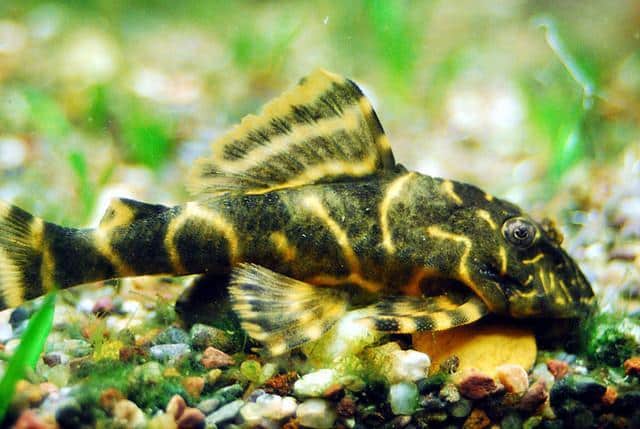
Known scientifically as Panaqolus maccus, this popular dwarf pleco comes from the slow-moving rivers of Venezuela and Colombia. Its compact size, peaceful temperament, and bold striped pattern make it a favorite among freshwater aquarists who want pleco charm without the massive size of larger species.

Clown Plecos are especially famous for their love of driftwood, which supports both their diet and natural behavior. Their dark brown and orange-yellow stripes, shy personality, and amusing nighttime antics make them standout additions to community aquariums. While they often spend the day hiding in caves or beneath wood, they become surprisingly active at feeding time, darting around the tank in search of algae wafers, vegetables, and biofilm.

Research Insights: The Science Behind the Wood-Chomping Wonder

One of the Clown Pleco’s most fascinating traits is its relationship with driftwood. Unlike many aquarium fish that only graze on wood occasionally, Panaqolus species are specialized wood grazers that rely on driftwood as part of their natural diet. Their digestive systems and gut microorganisms help process the biofilm, algae, fungi, and organic matter found on submerged wood surfaces, making driftwood essential for their long-term health.

Scientists have also found that these plecos play an important role in South American river ecosystems by helping recycle organic matter. Another interesting trait is their nocturnal nature. Clown Plecos use sensitive barbels and excellent low-light navigation to forage effectively at night. In aquariums, this means they often appear shy during the day but become far more active once the lights go out.

Unique Characteristics: Stripes, Armor, and a Love for Furniture

The Clown Pleco stands out for combining beauty with practicality. Its bold striped pattern gives it a striking, hand-painted appearance, while its armored body adds a rugged, prehistoric charm. Each fish has its own unique stripe arrangement, making every specimen slightly different.

Its specialized sucker mouth allows it to cling easily to wood, rocks, and aquarium glass, often while grazing upside-down beneath driftwood. Unlike larger plecos that may uproot plants or rearrange decorations, Clown Plecos are gentle and well-suited for planted aquariums.

These shy, mostly nocturnal fish enjoy hiding in caves and driftwood, though comfortable individuals may become more active during feeding time. Their peaceful temperament, compact size, and manageable waste production also make them far easier to care for than many larger pleco species.
Diet: The Driftwood Dining Club

If the Clown Pleco had a food review blog, every post would probably say: “Needs more wood.” Driftwood is essential for Panaqolus maccus, supporting both digestion and natural grazing behavior. Popular choices include Malaysian, Mopani, and spider wood.

While often labeled as algae eaters, Clown Plecos need a varied omnivorous diet that includes algae wafers, sinking pellets, blanched vegetables like zucchini and cucumber, and occasional protein-rich foods such as bloodworms or brine shrimp.

They may nibble soft algae and biofilm, but they are not heavy-duty algae cleaners. Since they feed mostly at night, evening feedings encourage more natural behavior. In community tanks, shy Clown Plecos may need target feeding near hiding spots to ensure they get enough food. Healthy individuals typically show strong coloration, active nighttime behavior, and a rounded belly.

Size and Tank Requirements: Small Fish, Big Need for Driftwood

One of the Clown Pleco’s biggest advantages is its small adult size, typically reaching just 3 to 4 inches. This makes it ideal for smaller aquariums compared to larger plecos that can grow well over a foot long. A minimum 20-gallon tank is recommended, though larger setups provide greater stability and more room to explore.

Ideal conditions include temperatures between 73 – 82°F, a pH of 6.5 – 7.5, moderate water flow, stable oxygen levels, and plenty of hiding spaces. Driftwood is essential, while caves, rocks, and dense plants help recreate their natural habitat and encourage natural behavior.

Good filtration is important, though their smaller size means they produce far less waste than larger plecos. Sand or smooth gravel works well for the substrate, especially since these fish enjoy resting along the bottom. Breeding setups often include narrow caves where males guard eggs until the fry hatch.

Compatibility: Peaceful Roommate or Tiny Territorial Tank Boss?

Clown Plecos are peaceful community fish that pair well with many freshwater species, including tetras, rasboras, Corydoras, gouramis, rainbowfish, livebearers, and other peaceful fish. Since they spend most of their time along the bottom or attached to surfaces, they rarely bother midwater tank mates.

They may become mildly territorial toward other plecos in smaller tanks, so providing plenty of caves and driftwood helps reduce conflict. Aggressive or predatory fish should generally be avoided, as they can stress or injure Clown Plecos.

Unlike larger plecos that may uproot plants, Clown Plecos are usually plant-safe and fit beautifully into planted aquariums. Their calm personality and striking striped appearance often make them quiet but memorable centerpiece fish.

Species Summary: The Striped Little Catfish That Wins Hearts Quietly

The Clown Pleco may not be the loudest fish in the aquarium world, but it consistently earns admiration from aquarists who appreciate personality, practicality, and understated beauty.

Its compact size makes it accessible to hobbyists with smaller aquariums, while its peaceful temperament allows it to thrive in a wide range of freshwater community setups.

The species’ distinctive striped appearance, fascinating wood-grazing behavior, and nocturnal habits create endless opportunities for observation and enjoyment.

Unlike oversized plecos that can outgrow beginner tanks alarmingly fast, the Clown Pleco remains manageable while still delivering all the charm pleco enthusiasts love.

It is also a wonderful species for aquarists interested in creating natural aquascapes. Tanks filled with driftwood, caves, and shaded hiding places truly bring out the best in these fish.

For those willing to provide proper nutrition, stable water conditions, and plenty of wood, the Clown Pleco rewards its keepers with years of entertaining and peaceful companionship.

Wrap-Up: Driftwood, Personality, and Endless Aquarium Charm

The Clown Pleco proves that small fish can still make a big impression. With its striped armor, quirky nocturnal habits, and love of driftwood, Panaqolus maccus offers a unique mix of personality, beauty, and practicality for freshwater aquariums.

Whether you are setting up your first community tank or refining a planted aquascape, the Clown Pleco is a peaceful and fascinating addition. At Frags 2 Fishes, hobbyists can continue exploring species spotlights, aquarium care guides, aquascaping inspiration, and equipment recommendations to help create thriving aquatic environments.

After all, sometimes the most memorable fish in the tank is the one quietly chewing on driftwood after dark.

Leave a Reply