Species Spotlight: Fire Shrimp

The Reef’s Shy Showstopper with a Cleaning Superpower

Scientific Name:Lysmata debelius

Species Type: Saltwater Invertebrate

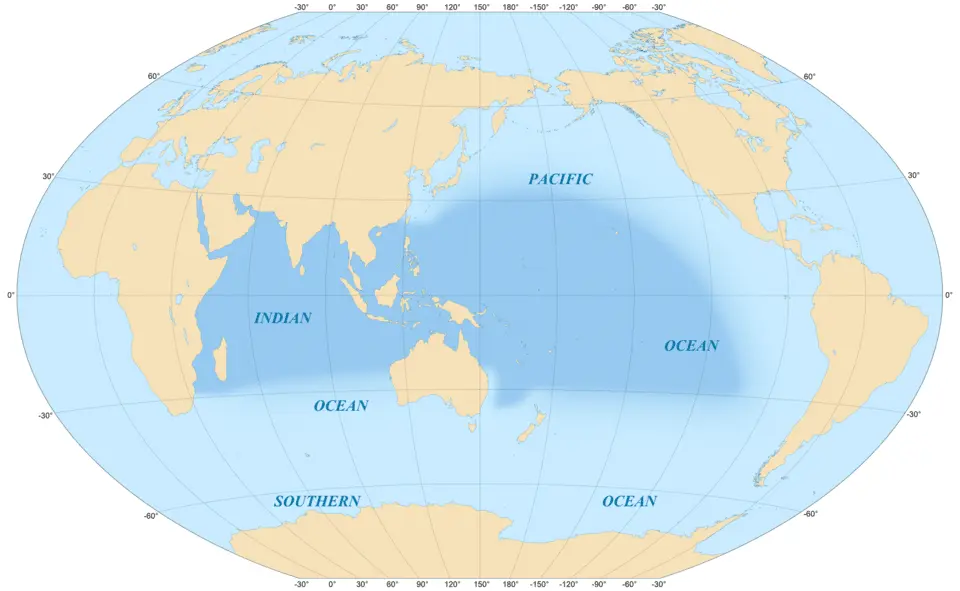
Native Location: Indo-Pacific Region

Introduction: The Reef’s Tiny Firefighter (Who Never Actually Puts Fires Out)

If your reef tank had a VIP guest list, the Fire Shrimp scientifically known as Lysmata debelius, would strut in wearing a blazing red tuxedo and impossibly long white antennae, stealing the spotlight without even trying. Also called the Scarlet Cleaner Shrimp, this little crustacean hails from the warm, coral-rich waters of the Indo-Pacific, where it thrives in shaded crevices and reef caves.

Unlike its more outgoing cousin, the Cleaner Shrimp, the Fire Shrimp is a bit of a shy celebrity. It prefers the dimly lit corners of your aquarium, emerging like a mysterious performer when food is in the air or when a fish needs a spa treatment.

Despite its dramatic appearance, this shrimp is not here to start trouble, it’s here to clean it up. Think of it as the reef’s personal hygienist, offering parasite removal services with a flair for the theatrical.

Research Insights: More Than Just a Pretty Shell

Fire Shrimp are part of a fascinating ecological niche known as “cleaner organisms.” In the wild, they establish cleaning stations where fish voluntarily line up to have parasites, dead tissue, and debris removed from their bodies.

Scientific observations have shown that these shrimp use their long, white antennae as visual signals essentially advertising their cleaning services to nearby fish. It’s a form of mutualism: the shrimp gets a meal, and the fish gets a health boost.

Interestingly, Fire Shrimp are also protandric hermaphrodites, meaning they start life as males and later develop female reproductive capabilities. This unique reproductive strategy increases their chances of successful breeding in the wild and in captivity.

Unique Characteristics: A Living Ember with a Gentle Touch

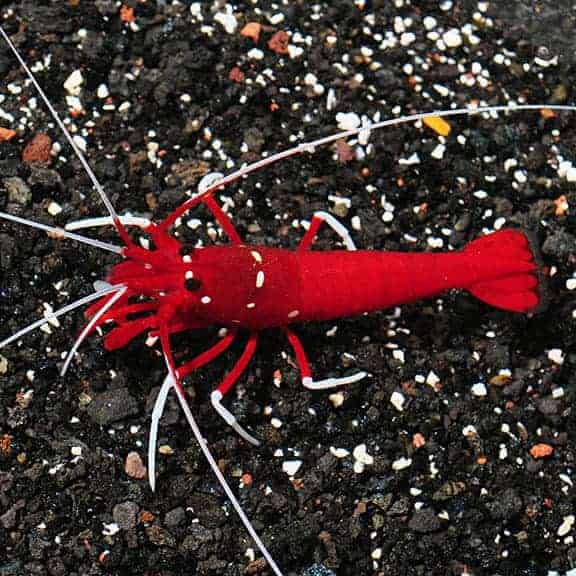
The Fire Shrimp is a visual masterpiece. Its body is a deep, almost glowing red, accented with crisp white spots and dramatically long antennae that can span the length of its body or more.

But beyond aesthetics, its behavior is what truly sets it apart. Fire Shrimp are nocturnal and reclusive, often spending daylight hours tucked away in caves or under rock overhangs. This makes spotting them feel like a special event like catching a rare glimpse of a hidden gem.

Their gentle, deliberate movements and willingness to interact with fish (and sometimes even curious aquarists’ hands) make them both functional and fascinating additions to a reef tank.

Diet: Fine Dining Meets Janitorial Duties

In the wild, Fire Shrimp primarily feed on parasites and dead tissue they remove from fish. However, in a home aquarium, they are opportunistic omnivores.

They will happily accept a variety of foods, including:

  • Mysis shrimp
  • Brine shrimp
  • Finely chopped seafood
  • High-quality marine pellets or flakes

Their scavenging nature also helps keep your tank clean by consuming leftover food and detritus. That said, don’t rely solely on their cleaning instincts—regular feeding ensures they remain healthy and active.


Size and Tank Requirements: Small Shrimp, Big Standards

Fire Shrimp typically grow to about 2-3 inches (5-7.5 cm) in length, making them suitable for a variety of tank sizes. However, their comfort depends more on environment than sheer volume.

Ideal Tank Conditions:

  • Minimum tank size: 20 gallons
  • Temperature: 72-78°F (22-26°C)
  • pH: 8.1-8.4
  • Salinity: 1.023-1.025

They thrive in tanks with plenty of live rock, which provides hiding spots and mimics their natural habitat. Dim lighting or shaded areas are especially appreciated, as these shrimp prefer low-light environments.

Compatibility: Peaceful, Polite, and Slightly Introverted

Fire Shrimp are generally peaceful and reef-safe, making them excellent additions to community tanks. They coexist well with most non-aggressive fish and invertebrates.

Compatible Tank Mates:

  • Clownfish
  • Gobies
  • Blennies
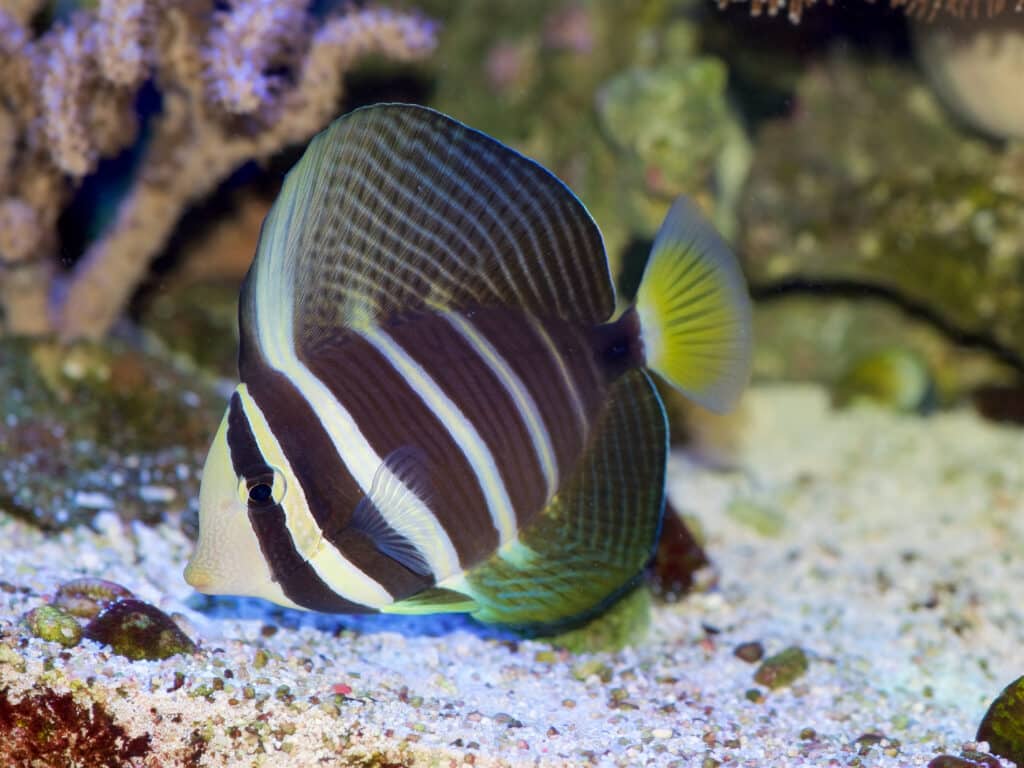
  • Tangs (non-aggressive species)

Avoid pairing with:

  • Aggressive wrasses
  • Large predatory fish
  • Triggerfish

Because of their shy nature, they may be outcompeted for food in highly active tanks. Target feeding can help ensure they get their fair share.

Species Summary: Why This Shrimp Deserves the Spotlight

The Fire Shrimp is a perfect blend of beauty and utility. Its striking coloration adds a bold visual element to any reef tank, while its cleaning behavior contributes to a healthier aquatic environment.

Though a bit shy, its occasional appearances feel special like a cameo from a reclusive star. For aquarists who appreciate subtlety, elegance, and ecological function, this shrimp is a rewarding choice.

Wrap-up: Turn Up the Heat on Your Reef Knowledge

Whether you’re just starting your reef journey or refining a well-established tank, the Fire Shrimp offers a unique combination of charm, function, and intrigue. Its role as both a cleaner and a visual standout makes it a valuable addition to any marine setup.

At Frags 2 Fishes, we’re passionate about helping you build thriving aquatic ecosystems. From expert care guides to essential equipment, we provide everything you need to support your underwater world whether you’re browsing online or visiting us in-store.

Wrap-up: Turn Up the Heat on Your Reef Knowledge

Whether you’re just starting your reef journey or refining a well-established tank, the Fire Shrimp offers a unique combination of charm, function, and intrigue. Its role as both a cleaner and a visual standout makes it a valuable addition to any marine setup.

At Frags 2 Fishes, we’re passionate about helping you build thriving aquatic ecosystems. From expert care guides to essential equipment, we provide everything you need to support your underwater world whether you’re browsing online or visiting us in-store.

Leave a Reply