Species Spotlight: Gold Inca Snail

Freshwater Invertebrate from the Amazon River Basin of South America

Scientific Name: Pomacea bridgesii

Species Type: Freshwater invertebrate 

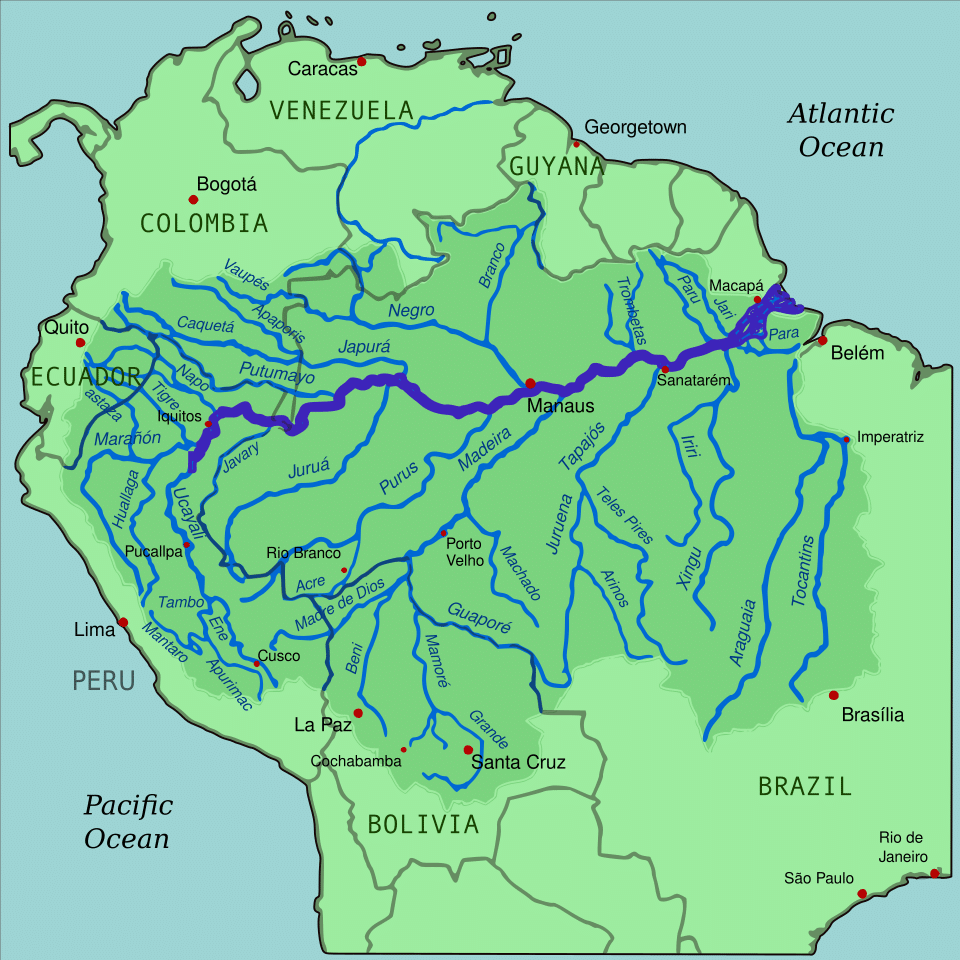
Native Location: South America — primarily the Amazon River basin, including Brazil, Peru, Bolivia, and surrounding freshwater systems

Introduction: A Snail with Star Power

Let’s be honest. When most people hear the word “snail,” they don’t immediately think centerpiece. But the Gold Inca Snail has a way of changing minds. With its radiant golden shell and slow, deliberate movements, this freshwater invertebrate brings both elegance and purpose to the aquarium.

Scientifically known as Pomacea bridgesii, the Gold Inca Snail is a color morph of the popular Mystery Snail species. Native to the warm, plant-filled waterways of South America’s Amazon basin, it naturally inhabits calm rivers, floodplains, and ponds rich in vegetation and organic matter.

In the home aquarium, this snail is often admired for two main reasons: its eye-catching appearance and its role as a natural algae grazer. Think of it as a tiny underwater groundskeeper except this one wears a polished golden spiral shell and occasionally floats around just to keep things interesting.

Research Insights: What Makes This Snail Remarkable

The Gold Inca Snail is part of the apple snail family and is known for its unique breathing system. Unlike many aquatic invertebrates, Pomacea bridgesii has both gills and a lung-like organ, allowing it to breathe underwater and at the surface using a snorkel-like siphon.

It also has an operculum – a protective “trapdoor” that seals the shell when the snail retracts for safety. Females lay egg clusters above the waterline to protect them from predators. Despite their slow pace, Gold Inca Snails are quite perceptive, using sensitive tentacles to detect food even in low-light conditions.

Unique Characteristics: Distinctive Traits That Shine

The Gold Inca Snail’s most eye-catching feature is its vibrant shell, which ranges from soft yellow to rich metallic gold. In mineral-rich water, the shell develops a smooth, glossy finish and grows in a graceful spiral up to 2 inches (5 cm), making it a bright focal point in planted aquariums.

Another behavior that often surprises aquarists is its tendency to float. By trapping air inside its shell, the snail can drift to new feeding areas, a completely normal and purposeful habit. Most active in the evening, it slowly patrols glass, décor, and substrate, grazing methodically once the tank settles down.

Diet: The Algae Aficionado

If cleanliness counts in your aquarium, the Gold Inca Snail earns high marks.

In the wild, Pomacea bridgesii feeds on algae, decomposing plant matter, and organic debris. In captivity, it continues this behavior, making it a valuable addition to freshwater community tanks.

Preferred Foods Include:

  • Algae on glass and decor
  • Biofilm
  • Blanched vegetables (zucchini, spinach, lettuce)
  • Algae wafers
  • Sinking pellets formulated for invertebrates

Unlike some apple snail relatives known for devouring healthy plants, the Gold Inca Snail generally prefers softer or decaying vegetation. While very delicate plants may occasionally be nibbled, it is typically considered plant-safe.

Their radula, a specialized scraping organ acts like a tiny file, allowing them to remove algae efficiently from surfaces. This natural grazing behavior supports tank balance by helping manage light algae growth.

Calcium intake is especially important for shell integrity. In soft or acidic water conditions, shell erosion may occur. Maintaining stable, mineral-rich water helps preserve their vibrant, smooth shell structure.

Size and Tank Requirements: Room to Roam

How Large Do They Grow?

Gold Inca Snails generally reach 1.5 to 2 inches (4–5 cm) in shell diameter when fully mature. While not massive, they still benefit from adequate space to explore and graze comfortably.

Recommended Tank Conditions

  • Minimum Tank Size: 5 gallons per snail
  • Temperature Range: 68–82°F (20–28°C)
  • pH Level: 7.0–8.0 preferred
  • Water Hardness: Moderate to hard

Because these snails breathe air, maintaining a small gap between the water surface and tank lid is important. A secure lid is recommended, as they may explore above the waterline.

Copper-based medications should never be used in tanks containing snails, as copper is highly toxic to invertebrates.

Smooth décor and stable water parameters create the ideal environment for long-term health

Compatibility: Peaceful by Nature

The Gold Inca Snail is non-aggressive and entirely peaceful. It poses no threat to fish or shrimp and spends most of its time grazing.

Suitable Tank Companions:

  • Small community fish such as tetras and rasboras
  • Livebearers like guppies
  • Corydoras catfish
  • Peaceful shrimp species
  • Other non-aggressive snails

Species to Avoid:

  • Large cichlids
  • Loaches known for snail predation
  • Puffers
  • Fish prone to fin or antenna nipping

Even though the operculum provides protection, persistent harassment can cause stress. A calm community environment ensures they thrive.

Species Summary: Why Aquarists Love Them

The Gold Inca Snail combines beauty with function, enhancing planted tanks while helping with algae control.

Aquarists value them for their bright color, easy care, peaceful nature, and unique behaviors like floating and air-breathing. Ideal for beginners yet appreciated by experienced hobbyists, this small snail proves that even the slowest tank resident can make a big impact.

Wrap up: A Golden Addition to Your Freshwater World

While it may not dart across the tank like a schooling fish, the Gold Inca Snail brings steady charm, subtle personality, and meaningful ecological benefits to freshwater aquariums.

At Frags 2 Fishes, we celebrate species that combine beauty with balance. Whether you’re exploring freshwater invertebrates or building a carefully curated aquatic environment, our Species Spotlight series is designed to help you make informed, confident choices. With the right care and knowledge, even a humble snail can become one of the most fascinating residents in your tank.

Leave a Reply