Species Spotlight: Copperband Butterflyfish

Copperband Butterflyfish – The Elegant Reef Detective with a Taste for Trouble

Scientific Name: Chelmon rostratus

Species Type: Saltwater Fish

Native Habitat: Indo-Pacific region, including the coasts of Australia, Indonesia, the Philippines, Papua New Guinea, and surrounding coral reef systems

Introduction: The Reef’s Long-Nosed Detective

Some fish are built for speed, while others are built for strength. The Copperband Butterflyfish looks like nature combined a butterfly and a zebra, then added an extra-long nose for good measure.

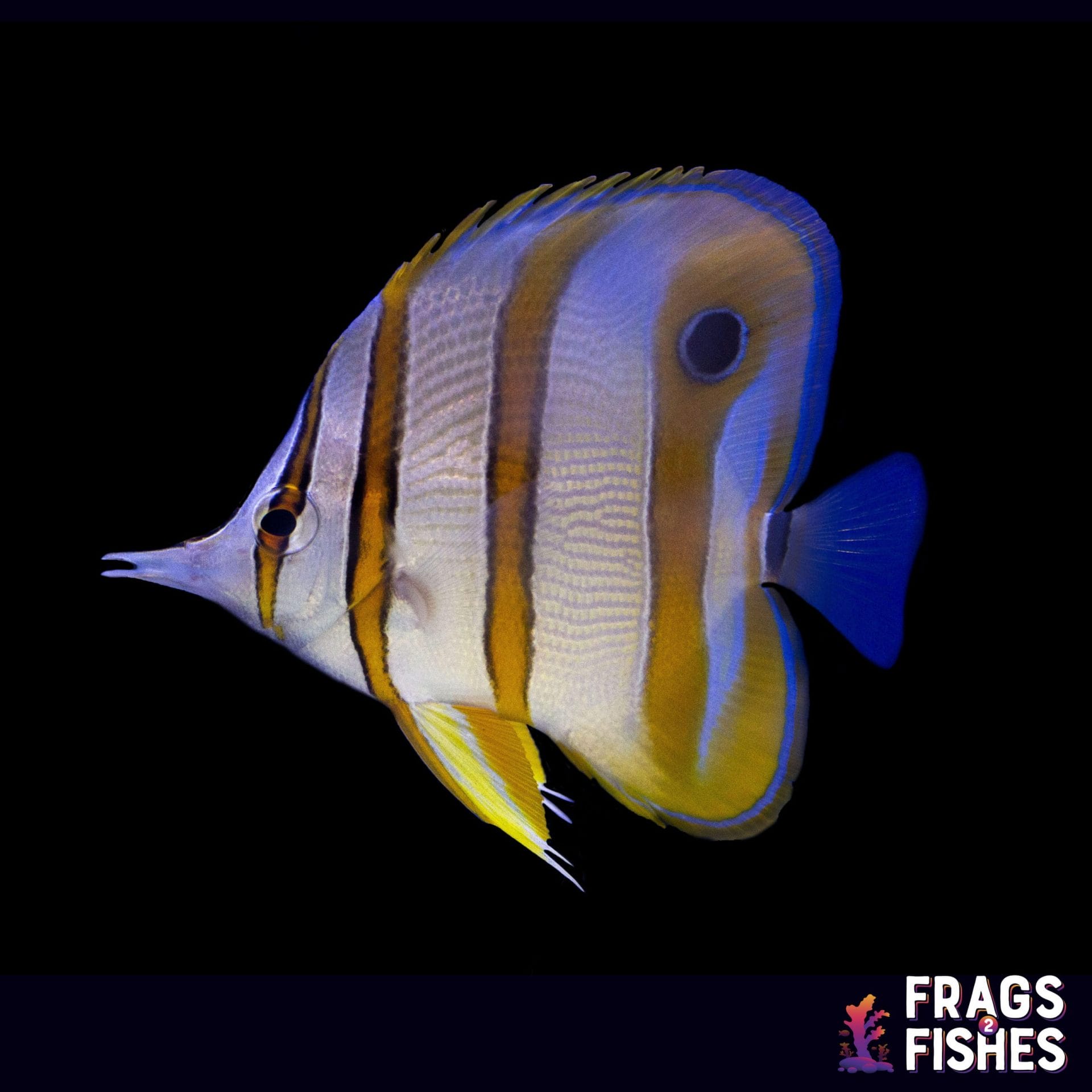
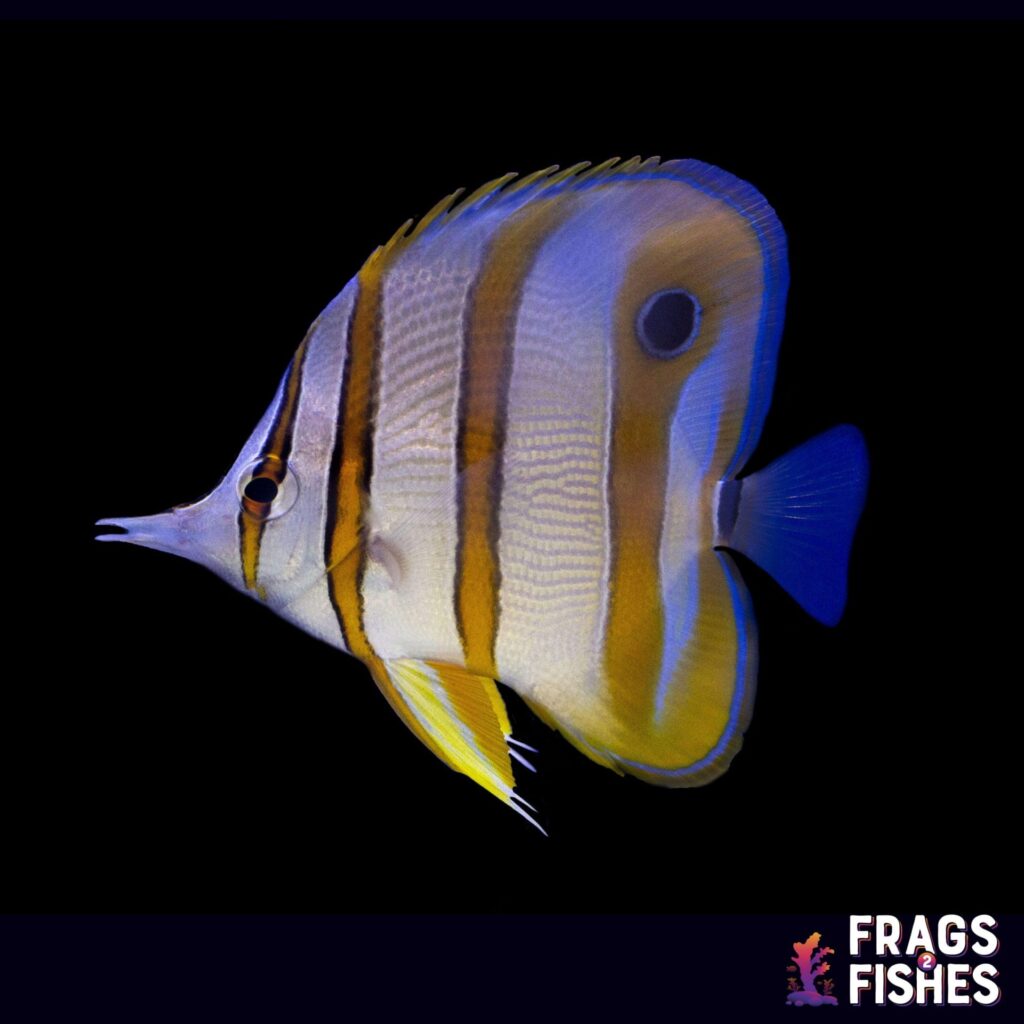
With its striking copper-orange bands and graceful movements, the Copperband Butterflyfish (Chelmon rostratus) is one of the most admired fish in the saltwater hobby. Native to the coral reefs and lagoons of the Indo-Pacific, it uses its long snout to hunt for prey hidden deep within rock crevices.

Although renowned for its beauty, this species is considered a challenge to keep due to its specialized diet and care requirements. However, for aquarists willing to put in the effort, the Copperband Butterflyfish can become one of the most rewarding and captivating additions to a marine aquarium.

Research Insights: Secrets of the Snout: Fascinating Discoveries

Scientists are fascinated by butterflyfish because of their specialized feeding habits and close connection to coral reef ecosystems. The Copperband Butterflyfish is a perfect example, using its long snout to extract worms and small invertebrates from tiny crevices that other fish cannot reach.

Because they rely on healthy reefs and abundant prey, butterflyfish are often considered indicators of reef health. Researchers have also observed that Copperband Butterflyfish frequently return to productive feeding spots, suggesting they have an impressive memory for finding food.

Their hunting style is a bit like an underwater detective revisiting favorite clues – except the clues happen to be tasty worms hidden among the rocks.

Unique Characteristics: Beauty with a Built-In Toolkit

The Copperband Butterflyfish has several unique features that make it stand out among marine fish. Its striking copper-orange bands and white body make it instantly recognizable, while the black “false eye” near its dorsal fin may help confuse predators.

Its long, narrow snout is specially adapted for reaching worms and small invertebrates hidden deep within reef crevices. The species is also known for its graceful swimming style, spending much of its time carefully inspecting rocks and corals.

Another reason for its popularity is its reputation for eating nuisance Aiptasia anemones. While not every individual develops a taste for these pests, many hobbyists consider the Copperband Butterflyfish, an elegant and occasionally effective member of the reef’s cleanup crew.

Diet: Fine Dining for a Picky Gourmet

Feeding a Copperband Butterflyfish is often the biggest challenge of keeping this species. In the wild, they feed on small worms, crustaceans, invertebrate larvae, mollusks, and occasionally coral polyps and anemones.

New specimens can be picky eaters and may take time to accept prepared foods. Established Copperbands often enjoy mysis shrimp, enriched brine shrimp, blackworms, clams, and other frozen marine foods. Frequent, varied feedings are important for long-term success.

Because they spend much of the day searching for food, a mature aquarium with plenty of live rock and natural microfauna can greatly improve their chances of thriving. For many aquarists, feeding a Copperband feels a bit like catering to a very selective gourmet diner.

Size and Tank Requirements: The Real Estate Needs of a Reef Aristocrat

The Copperband Butterflyfish may not be the largest marine fish, but it needs plenty of swimming space and a stable environment to thrive.

Adults typically reach 7–8 inches (18–20 cm) and should be housed in an aquarium of at least 75 gallons, with 100 gallons or more being ideal.

Preferred water conditions include temperatures of 72–78°F (22–26°C), salinity of 1.023–1.026, a pH of 8.1–8.4, and consistently low nutrient levels.

These fish appreciate mature aquariums with abundant live rock, plenty of hiding spots, and open swimming areas. Established tanks often provide natural food sources and help reduce stress, as Copperband Butterflyfish do best in stable environments with minimal sudden changes.

Compatibility: The Social Butterfly of the Reef

Despite their name, Copperband Butterflyfish are generally peaceful and do well with community species such as clownfish, gobies, blennies, tangs, wrasses, and peaceful angelfish. They are best avoided with aggressive triggers, large predators, and highly territorial fish that may outcompete them for food.

Reef compatibility can vary by individual. While many Copperbands coexist peacefully with corals, some may nip at feather dusters, tube worms, soft corals, or large-polyp stony corals, so monitoring is recommended.

Keeping multiple Copperband Butterflyfish can be difficult unless the aquarium is very large or a bonded pair is established. For most hobbyists, keeping a single specimen is the safest option.

Species Summary: Why Reef Keepers Fall in Love with the Copperband

Few marine fish combine beauty, personality, and utility quite like the Copperband Butterflyfish. Its striking coloration, elongated snout, graceful movements, peaceful nature, and potential for controlling Aiptasia make it a favorite among reef keepers.

Watching a Copperband carefully inspect every crevice of an aquarium is both fascinating and entertaining. While the species requires patience and proper care, successfully keeping one is often considered a rewarding achievement. When thriving, the Copperband Butterflyfish becomes far more than a decorative fish-it becomes the centerpiece of the aquarium.

Wrap-Up: One Last Bow from the Copper-Banded Star

The Copperband Butterflyfish proves that some of the ocean’s most fascinating creatures captivate us through elegance, intelligence, and remarkable adaptations. With its unique feeding behavior, graceful movements, and striking appearance, Chelmon rostratus remains one of the icons of the saltwater aquarium hobby.

Whether you’re an experienced reef keeper or new to marine aquariums, learning about species like the Copperband Butterflyfish deepens our appreciation for coral reef biodiversity. At Frags 2 Fishes, we’re passionate about providing the information, inspiration, and resources needed to help aquarists create thriving marine environments.

After all, every reef deserves a detective – and few wear copper stripes quite so elegantly.

Leave a Reply