Species Spotlight: Arc Eye Hawkfish

Arc Eye Hawkfish – The Watchful Perch Master of the Reef

Scientific Name: Paracirrhites arcatus

Species Type: Saltwater Fish

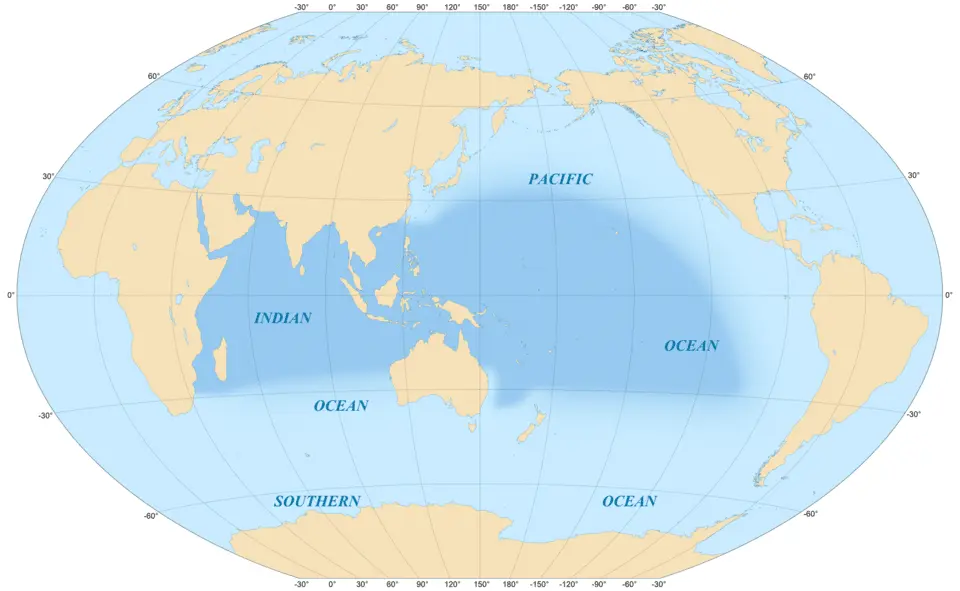
Native Location: Tropical Indo-Pacific reefs, including the Red Sea, East Africa, Hawaii, southern Japan, and throughout Polynesia.

Introduction: The Reef’s Tiny Lifeguard: Meet the Arc Eye Hawkfish

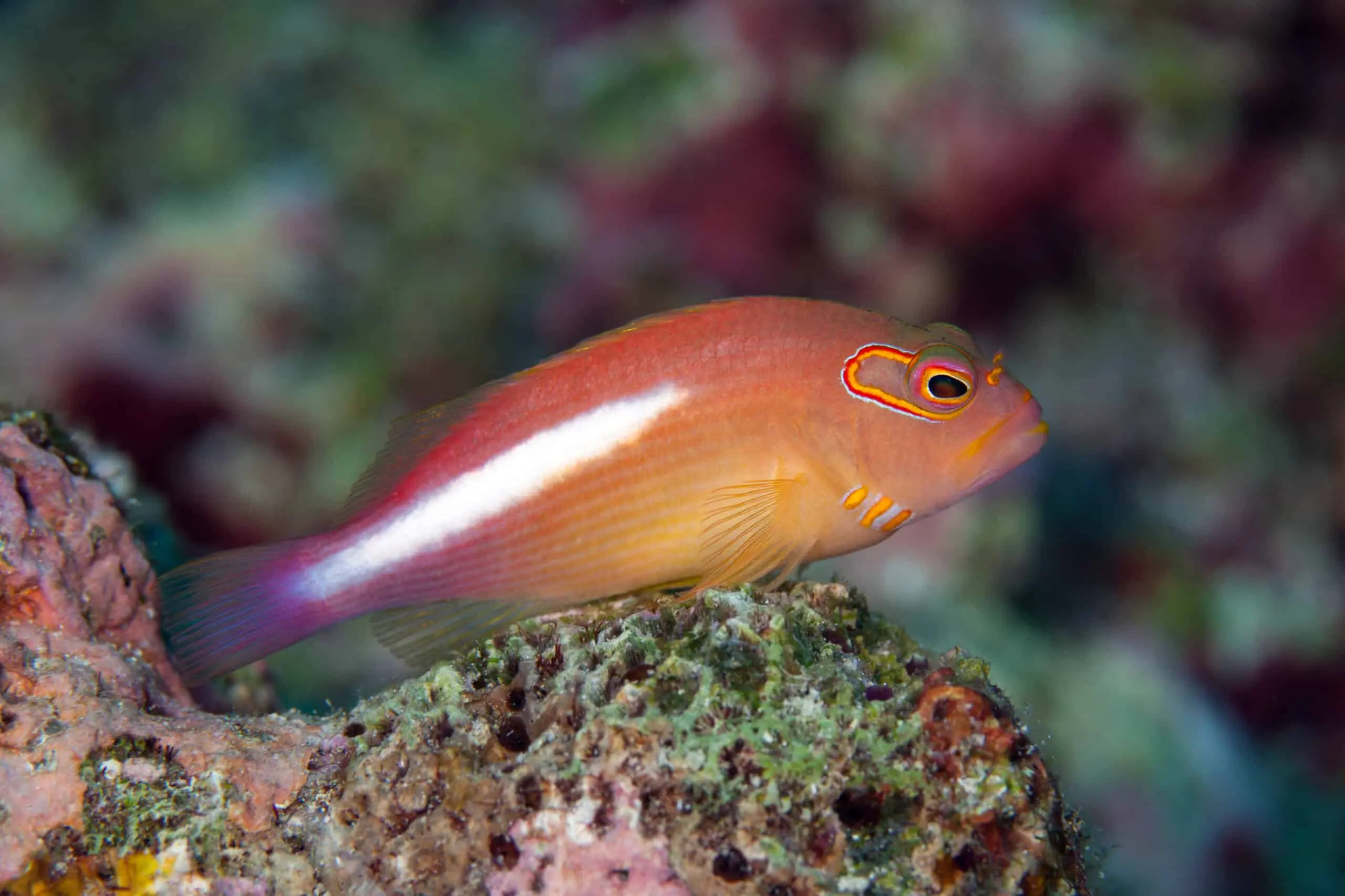
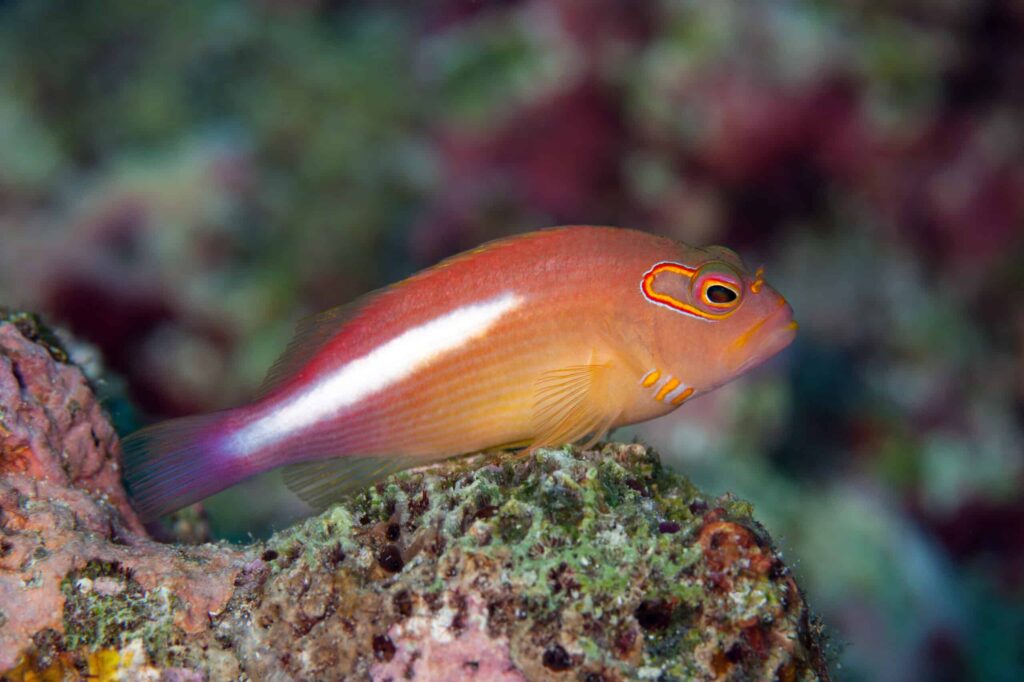
While many fish spend their time darting through coral or hiding among rocks, the Arc Eye Hawkfish (Paracirrhites arcatus) prefers to perch, observe, and keep watch like a tiny underwater security guard. With its striking crescent-shaped marking behind each eye and curious personality, this charismatic fish is one of the reef’s most entertaining residents.

A member of the Cirrhitidae family, the Arc Eye Hawkfish inhabits coral-rich reefs throughout the Indo-Pacific, where it patiently waits to ambush unsuspecting prey. Rather than constantly swimming, it conserves energy by sitting on rocks and corals, watching the world go by. Its unique behavior, hardiness, and adaptability have made it a favorite among both beginner and experienced marine aquarists.

Research Insights: Hidden Secrets of the Reef’s Little Hunter

The Arc Eye Hawkfish may seem simple, but researchers have uncovered several fascinating behaviors. These fish use elevated perches to improve hunting, giving them a better view of potential prey and allowing them to strike quickly. They are also territorial, often returning to the same favorite lookout spots throughout the day.

Remarkably adaptable, Arc Eye Hawkfish can thrive in both shallow lagoons and deeper reef slopes. Their excellent eyesight contributes to their curious nature, and they may even recognize feeding routines in the aquarium. Always alert and observant, the Arc Eye Hawkfish is the perfect combination of predator and watchful observer.

Unique Characteristics: Perching Like a Pro: What Makes the Arc Eye Hawkfish Unique?

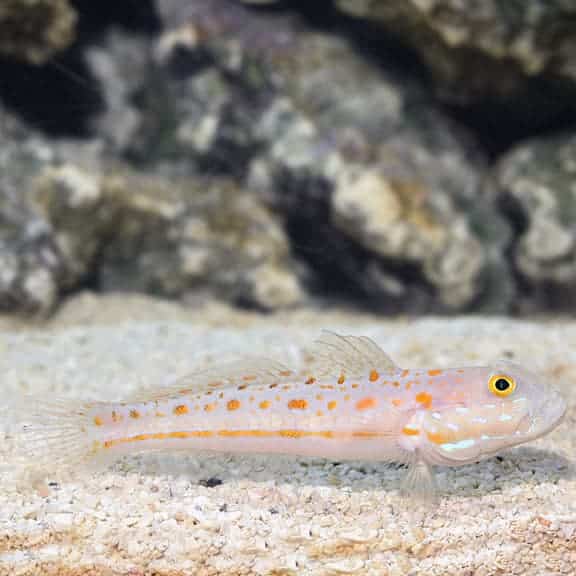
The Arc Eye Hawkfish stands out for its distinctive crescent-shaped marking behind each eye, which gives the species its name. Unlike many fish, it lacks a swim bladder and instead uses its large pectoral fins to perch comfortably on rocks and coral branches.

Known for their curious personalities, these fish often watch activity outside the aquarium and may even appear to beg for food. Despite their relaxed nature, they are impressive jumpers and should be kept in covered tanks. Their coloration can also vary, ranging from cream and brown to red and pink, helping them blend seamlessly into the reef.
Diet: Tiny Predator, Big Appetite

The Arc Eye Hawkfish stands out for its distinctive crescent-shaped marking behind each eye, which gives the species its name. Unlike many fish, it lacks a swim bladder and instead uses its large pectoral fins to perch comfortably on rocks and coral branches.

Known for their curious personalities, these fish often watch activity outside the aquarium and may even appear to beg for food. Despite their relaxed nature, they are impressive jumpers and should be kept in covered tanks. Their coloration can also vary, ranging from cream and brown to red and pink, helping them blend seamlessly into the reef.

Size and Tank Requirements: Penthouse Living: Building the Perfect Home

The Arc Eye Hawkfish grows to about 5 inches (13 cm), making it well-suited for many marine aquariums. A minimum tank size of 55 gallons is recommended, with stable water conditions: temperatures of 72–78°F (22–26°C), salinity of 1.023–1.025, pH of 8.1–8.4, and low nitrate levels.

This species thrives in aquariums with plenty of live rock, ledges, caves, and coral branches that provide ideal perching spots. It adapts well to various lighting conditions and prefers moderate water flow. Because Arc Eye Hawkfish are excellent jumpers, a secure lid is essential.

Compatibility: Friendly Neighbor or Tiny Sheriff?

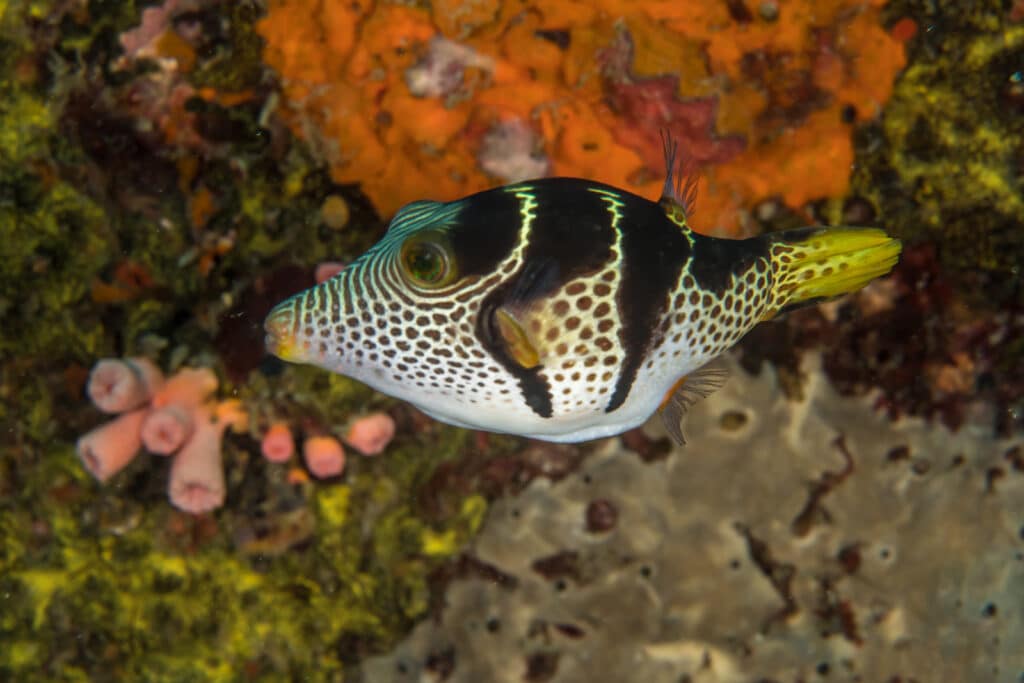
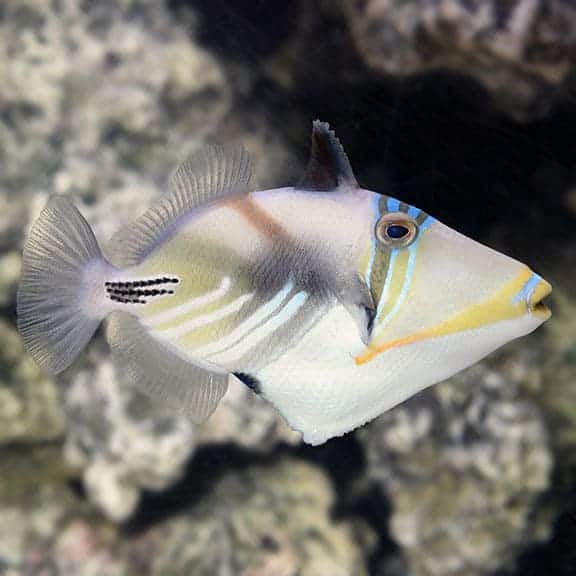
The Arc Eye Hawkfish is a confident and bold species that is generally considered reef-safe with corals, as it does not nip at coral polyps. It typically gets along well with clownfish, tangs, gobies, blennies, wrasses, dwarf angelfish, and other larger reef-safe fish.

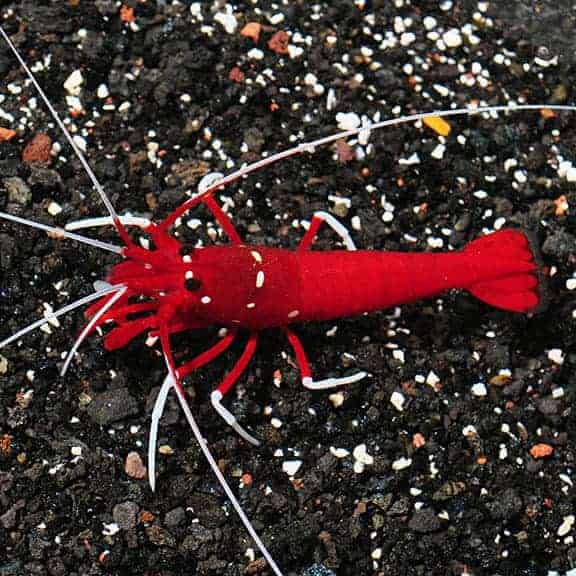
However, caution should be taken when keeping it with very small shrimp, tiny crabs, or other delicate crustaceans, as these may be viewed as prey. It can also become territorial toward other hawkfish or similarly shaped fish, particularly in smaller aquariums. Despite its predatory nature, the Arc Eye Hawkfish is usually a peaceful and highly engaging addition to community reef tanks.

Species Summary: Why Aquarists Fall in Love with the Arc Eye Hawkfish

The Arc Eye Hawkfish is prized for its unique blend of beauty, personality, and hardiness. Its interactive nature and distinctive perching behavior make it one of the most entertaining fish in the marine hobby. Relatively easy to care for and generally reef-safe with corals, it adapts well to aquarium life and is often visible, proudly perched in plain sight. For aquarists seeking a fish with character and charm, the Arc Eye Hawkfish is an outstanding choice.

Wrap-up: One Last Look from the Reef’s Favorite Watchman

The Arc Eye Hawkfish proves that a fish doesn’t need flashy colors to steal the spotlight. With its expressive personality, perching habits, and ambush-hunting behavior, Paracirrhites arcatus is a fascinating and entertaining addition to any reef aquarium.

Whether you’re a seasoned aquarist or just beginning your saltwater journey, species like the Arc Eye Hawkfish showcase the incredible diversity of coral reefs. At Frags 2 Fishes, we’re passionate about helping hobbyists create thriving aquatic environments through education, expert guidance, and a shared love of marine life.

Leave a Reply