Species Spotlight: Chocolate Chip Sea Star

The Chocolate Chip Sea Star: Nature’s Most Delicious-Looking Invertebrate

Scientific Name: Protoreaster nodosus

Species Type: Saltwater Invertebrate

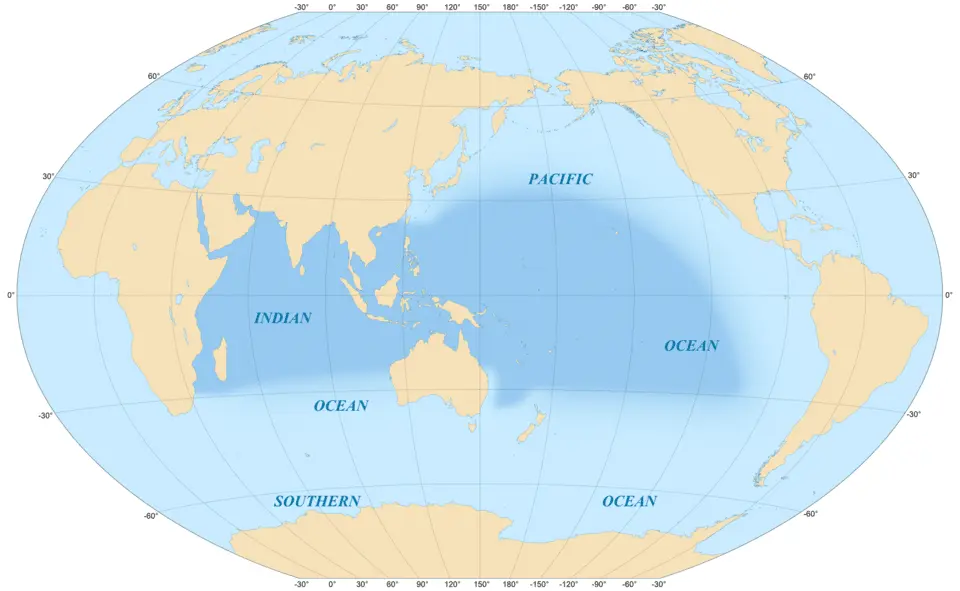
Native Location: Native to the Indo-Pacific Region Including East Africa, Southeast Asia, Indonesia, Northern Australia, and the Philippines

Introduction: The Cookie That Crawls Across the Reef

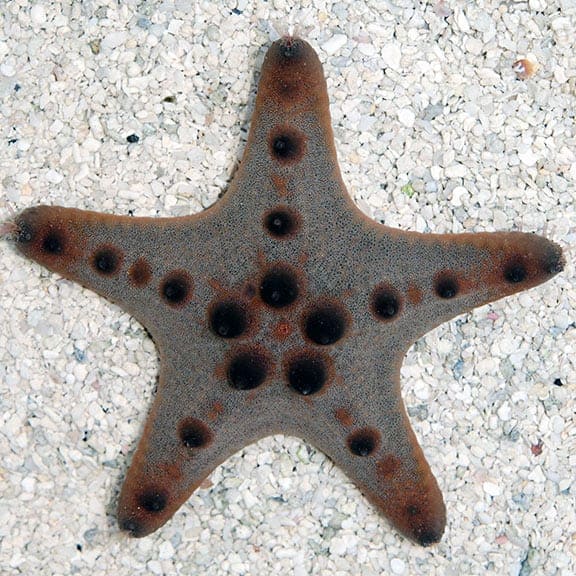
If someone dropped a giant chocolate chip cookie onto a coral reef and gave it five arms, the result might look surprisingly similar to the Chocolate Chip Sea Star. With its cream-colored body covered in dark, raised knobs that resemble chocolate chips, this sea star has earned one of the most memorable names in the marine world.

The Chocolate Chip Sea Star (Protoreaster nodosus) is a large, striking marine invertebrate found throughout the warm tropical waters of the Indo-Pacific. From the shallow lagoons of the Philippines to the coastal waters of Indonesia and northern Australia, these fascinating echinoderms slowly patrol sandy seabeds, seagrass beds, and reef flats.

Unlike fish that dart through the water or crabs that scuttle across rocks, the Chocolate Chip Sea Star moves at a leisurely pace. Its lifestyle is more “careful explorer” than “speedy adventurer.” Yet beneath its slow-moving exterior lies a remarkably complex creature with unique anatomy, surprising feeding habits, and an important ecological role in its natural environment.

For marine aquarium enthusiasts, the Chocolate Chip Sea Star offers a captivating alternative to more traditional reef inhabitants. Its unusual appearance and fascinating behaviors make it an instant conversation piece in suitable saltwater aquariums.

Research Insights: Nature’s Five-Armed Mystery

Sea stars have fascinated scientists for generations, and the Chocolate Chip Sea Star is no exception. As a member of the phylum Echinodermata, it belongs to the same group as sea urchins, brittle stars, and sea cucumbers.

One of the most remarkable aspects of sea stars is their hydraulic locomotion system. Rather than relying on muscles alone, they use a water vascular system that pumps seawater through specialized tube feet located beneath each arm. These tiny feet act like hundreds of miniature suction cups, allowing the sea star to move, grip surfaces, and manipulate food.

Research into echinoderm biology has revealed that sea stars possess a decentralized nervous system. Instead of having a true brain, they operate through a network of nerves that coordinate movement and responses throughout the body. This unusual arrangement allows them to function effectively despite lacking a central command center.

Scientists have also studied the remarkable regenerative abilities found in many sea star species. While regeneration varies among species, sea stars can often repair damaged tissue and, under certain conditions, regrow lost portions of their arms. These regenerative processes continue to provide valuable insights into developmental biology and tissue repair mechanisms.

Marine biologists are particularly interested in sea stars because they often serve as indicators of ecosystem health. Changes in sea star populations can signal broader environmental shifts within marine habitats, making them valuable subjects for ongoing ecological research.

Unique Characteristics: Built Like a Living Cookie

The Chocolate Chip Sea Star’s appearance is undeniably its most recognizable feature.

Its body typically displays shades of cream, tan, orange, or light brown, while prominent dark spines cover the upper surface. These raised structures create the “chocolate chip” appearance that inspired its common name.

Interestingly, these knobs are not merely decorative. They serve as defensive structures that help deter predators. While they may resemble candy toppings to human observers, potential predators view them as sharp obstacles that make the sea star less appealing as a meal.

Adult specimens usually possess five thick arms radiating from a central disc, creating the classic star shape associated with sea stars. Their sturdy build gives them a robust appearance compared to some of their more delicate relatives.

Beneath the body lies an intricate network of tube feet. These tiny appendages perform numerous tasks, including locomotion, feeding, and environmental sensing. Watching a Chocolate Chip Sea Star move across aquarium glass can reveal hundreds of these miniature feet working together in remarkable coordination.

Perhaps most fascinating is the sea star’s ability to feed using an external stomach. When consuming food, it can extend part of its stomach outside its body to digest prey externally before absorbing nutrients. It’s an unusual feeding strategy that would seem like science fiction if it weren’t happening right before our eyes.

Diet: Dining Like a Slow-Motion Predator

The Chocolate Chip Sea Star is an opportunistic carnivore and scavenger with a surprisingly diverse menu.

In the wild, it feeds on a variety of organisms, including small invertebrates, mollusks, organic detritus, and decaying matter found on the seafloor. Its slow movement may suggest a passive lifestyle, but this sea star actively searches for food using chemical cues detected through specialized sensory structures.

When food is located, the sea star employs its remarkable feeding mechanism. It can evert, or push outward, part of its stomach onto the food source, allowing digestion to begin externally. Nutrients are then absorbed back into the body once the food has been sufficiently broken down.

In aquarium settings, Chocolate Chip Sea Stars generally accept a variety of meaty marine foods. Pieces of shrimp, clam, mussel, and other suitable marine-based foods are often consumed readily.

Their feeding habits play an important role within the aquarium environment. As scavengers, they help process leftover organic material that might otherwise contribute to declining water quality. However, they should not be viewed as a substitute for proper aquarium maintenance.

Because of their carnivorous tendencies, hobbyists should carefully consider tank inhabitants. The same appetite that helps them thrive can also create compatibility concerns with certain reef organisms.

Size and Tank Requirements: Room to Roam on the Reef

Chocolate Chip Sea Stars can grow considerably larger than many hobbyists initially expect.

Adult specimens commonly reach 8 to 12 inches (20 to 30 cm) in diameter, making them one of the larger sea star species frequently encountered in the aquarium trade.

Due to their size and activity level, they benefit from spacious aquariums that provide ample surface area for exploration. A mature marine aquarium with stable water parameters is generally recommended.

Key considerations include:

  • Stable salinity levels
  • Consistent temperature
  • Excellent water quality
  • Adequate biological filtration
  • Sufficient open areas for movement
  • Established aquarium maturity

Sea stars are particularly sensitive to rapid changes in salinity and water chemistry. Careful acclimation is essential when introducing them to a new aquarium.

Unlike some marine species that spend most of their time hidden, Chocolate Chip Sea Stars frequently explore visible areas of the aquarium. They can often be observed traversing rockwork, glass surfaces, and sandy substrates throughout the day.

A sand bed is especially beneficial because it closely resembles the habitats these sea stars naturally occupy. Providing varied surfaces encourages natural behaviors and exploration.

Because they grow relatively large and possess specialized care requirements, they are generally best suited for aquarists who have experience maintaining stable marine systems.

Compatibility: Friends, Foes, and Reef-Safe Realities

The Chocolate Chip Sea Star is peaceful in temperament but not necessarily reef-safe.

This distinction is important.

Unlike aggressive fish that actively harass tank mates, Chocolate Chip Sea Stars rarely display overt aggression. However, their feeding habits can create challenges in reef aquariums.

Many reef keepers discover that these sea stars may consume sessile invertebrates, soft corals, certain anemones, and other slow-moving organisms. As a result, they are often considered more appropriate for fish-only marine systems or carefully planned invertebrate displays.

Suitable companions often include:

  • Peaceful marine fish
  • Larger community fish
  • Non-aggressive tank mates
  • Species unlikely to nip at echinoderms

Potential concerns may arise with:

  • Delicate reef invertebrates
  • Small sessile organisms
  • Predatory species that may attack sea stars
  • Fish known to pick at tube feet

Compatibility planning should always focus on the sea star’s natural feeding behavior rather than its temperament. While it may seem harmless as it slowly glides across the aquarium, it remains a carnivorous predator and scavenger capable of consuming vulnerable tank inhabitants.

When housed appropriately, however, the Chocolate Chip Sea Star can coexist successfully with a wide variety of marine fish species.

Species Summary: Five Reasons This Sea Star Steals the Show

The Chocolate Chip Sea Star remains one of the most recognizable marine invertebrates for several good reasons.

Its distinctive appearance immediately attracts attention, making it a standout feature in any suitable saltwater aquarium. Few marine creatures combine such unusual aesthetics with such fascinating biological adaptations.

Aquarists appreciate its:

  • Unique chocolate-chip-like appearance
  • Slow and fascinating movement
  • Intriguing feeding behavior
  • Large, impressive size
  • Distinctive role among marine invertebrates

Beyond its visual appeal, the species provides an opportunity to observe some of nature’s most unusual biological systems in action. From hydraulic locomotion to external digestion, nearly every aspect of its biology offers something fascinating to learn.

For hobbyists seeking an unconventional centerpiece that sparks conversation and curiosity, the Chocolate Chip Sea Star is difficult to overlook.

Wrap – Up: A Sweet Ending from the Sea

The Chocolate Chip Sea Star proves that some of the ocean’s most fascinating creatures aren’t the fastest, brightest, or most colorful. Sometimes, a slow-moving sea star covered in what looks like cookie toppings can become the star of the entire aquarium.

Its remarkable anatomy, unusual feeding habits, and unmistakable appearance make it a memorable addition to appropriate marine systems. Whether you’re captivated by marine biology, fascinated by echinoderms, or simply appreciate unique aquarium inhabitants, the Chocolate Chip Sea Star offers plenty to admire.

At Frags 2 Fishes, we’re passionate about helping hobbyists discover the incredible diversity of marine life. From fascinating species profiles and aquarium care information to the equipment and resources needed for successful marine keeping, we’re dedicated to supporting thriving aquatic environments for hobbyists at every experience level. Continue exploring our Species Spotlight series to uncover even more amazing creatures from the world’s oceans.

Leave a Reply