Species Spotlight: Alternanthera Reineckii

Alternanthera Reineckii – Painting Aquariums in Shades of Red

Scientific Name: Alternanthera reineckii

Species Type: Freshwater Aquarium Plant

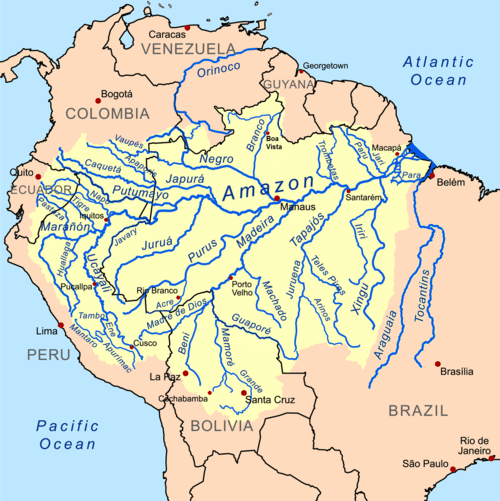
Native Location: Native to South America, Particularly the Amazon Basin and Surrounding Regions

Introduction: The Scarlet Showstopper of the Aquascaping World

If aquarium plants held beauty pageants, Alternanthera reineckii would be a strong contender for the crown. With its vibrant shades of red, pink, burgundy, and purple, this South American aquatic plant has become a favorite among freshwater aquascapers.

Native to marshes, riverbanks, and floodplains throughout parts of South America, Alternanthera reineckii is known for its adaptability and striking appearance. Its bold coloration creates dramatic contrast against green plants, making it a popular focal point in planted aquariums.

Despite its show-stopping looks, this plant is relatively approachable to grow. Given proper lighting and nutrients, it rewards aquarists with rich colors, attractive foliage, and steady growth. Whether featured in a nature-inspired aquascape or a carefully curated planted tank, Alternanthera reineckii adds a splash of color that is hard to ignore.

Research Insights: Red Leaves and Remarkable Discoveries

Scientists have long been fascinated by the vibrant red and purple colors of Alternanthera reineckii, which come from pigments called anthocyanins. These pigments may help protect the plant from intense light while also supporting its response to environmental stress.

The intensity of the plant’s coloration can vary significantly depending on lighting, nutrient availability, and carbon dioxide levels. As a result, the same plant may appear greenish in one aquarium and deep crimson in another.

Beyond its beauty, Alternanthera reineckii contributes to oxygen production, nutrient cycling, and habitat creation within aquatic environments. Its ability to grow both submerged and emersed in the wild also highlights its adaptability, making it a popular and relatively easy plant for aquarists to propagate and cultivate.

Unique Characteristics: A Living Work of Underwater Art

What truly sets Alternanthera reineckii apart is its stunning appearance. Its elongated leaves display shades of red, burgundy, pink, purple, and bronze, with coloration varying based on the variety and growing conditions. Many specimens feature darker upper leaf surfaces and more vibrant undersides, adding depth and movement to the aquarium.

Popular varieties include A. reineckii ‘Mini’, ‘Rosanervig’, ‘Cardinalis’, and the standard form, each offering unique growth habits and color intensity. Whether used as a centerpiece, midground accent, or colorful grouping, this versatile plant brings striking visual appeal to a wide range of aquascapes.

Diet: Photosynthesis on the Menu

Unlike fish and invertebrates, Alternanthera reineckii relies on photosynthesis rather than traditional feeding. Light provides its primary energy source, while nutrients such as nitrogen, phosphorus, potassium, iron, and trace elements support healthy growth.

Iron is particularly important for maintaining the plant’s vibrant red coloration, while carbon dioxide supplementation can enhance both growth and color intensity. A nutrient-rich substrate and regular fertilization help ensure long-term success, allowing this striking plant to thrive and display its best colors.

Size and Tank Requirements: Small Plant, Big Presence

Alternanthera reineckii typically grows between 8 and 20 inches (20–50 cm) tall, though compact varieties such as A. reineckii ‘Mini’ remain much shorter and are ideal for foreground or midground placement.

For best results, provide a tank of at least 10 gallons, temperatures between 72–82°F (22–28°C), a pH of 5.5–7.5, and soft to moderately hard water. Moderate to high lighting, a nutrient-rich substrate, and CO₂ supplementation are recommended to promote healthy growth and vibrant coloration.

Regular trimming encourages bushier growth and makes propagation easy, while stable water conditions help maintain the plant’s color and overall health.

Compatibility: The Friendly Neighbor in the Aquatic Garden

One of the reasons Alternanthera reineckii is so popular is its excellent compatibility with community aquariums. It provides shelter for shy fish, cover for shrimp, and additional surfaces for beneficial biofilm, helping create a healthier and less stressful environment.

It pairs well with species such as tetras, rasboras, Corydoras, dwarf cichlids, freshwater shrimp, nerite snails, and Otocinclus. However, plant-eating fish like goldfish and some large cichlids may damage or uproot it. In a well-maintained planted tank, Alternanthera reineckii serves as both a beautiful accent and valuable habitat for aquatic life.

Species Summary: Why Aquascapers Keep Coming Back for More

Few freshwater plants offer the combination of beauty and versatility found in Alternanthera reineckii. Its vibrant red and burgundy hues create striking contrast in planted aquariums, while its relatively manageable care requirements make it suitable for both beginners and experienced aquascapers.

Available in several varieties and easy to propagate, this plant is valued for its visual impact, compatibility with community tanks, and ability to provide shelter for aquatic life. Simply put, it adds a splash of color where many aquarium plants remain green.

Wrap – Up: Bringing More Color to Your Aquatic Journey

Alternanthera reineckii demonstrates that aquarium plants can be just as captivating as the fish they share a tank with. Its vibrant colors, adaptable nature, and versatility have made it a favorite among aquascapers worldwide.

Whether you’re setting up your first planted tank or perfecting a mature aquascape, this South American plant adds striking color and texture to any aquarium. At Frags 2 Fishes, we’re dedicated to helping hobbyists learn about the incredible plants and animals that make aquatic ecosystems thrive, while providing the knowledge and equipment needed to support a successful aquarium journey.

Leave a Reply