Species Spotlight: Starry Rabbitfish

A Constellation Beneath the Waves: The Starry Rabbitfish

Scientific Name: Siganus stellatus

Species Type: Saltwater Fish

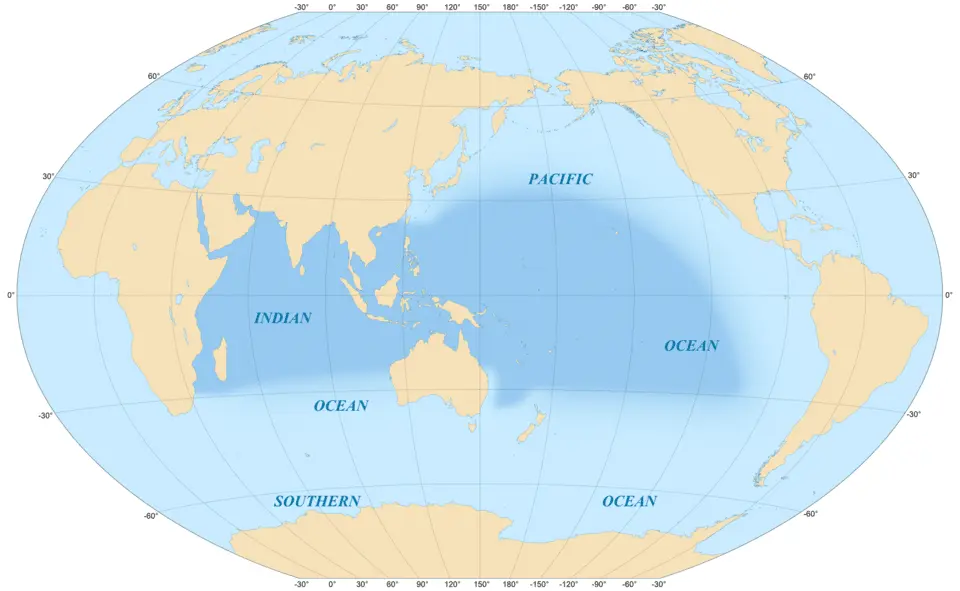
Native Location: Native to the Indo-Pacific Region Including the Red Sea, East Africa, Indonesia, the Philippines, and Northern Australia

Introduction: A Fish That Looks Like It Swallowed the Night Sky

Some fish are flashy. Some fish are colorful. And then there’s the Starry Rabbitfish-a fish that appears to have borrowed its wardrobe from a clear night sky.

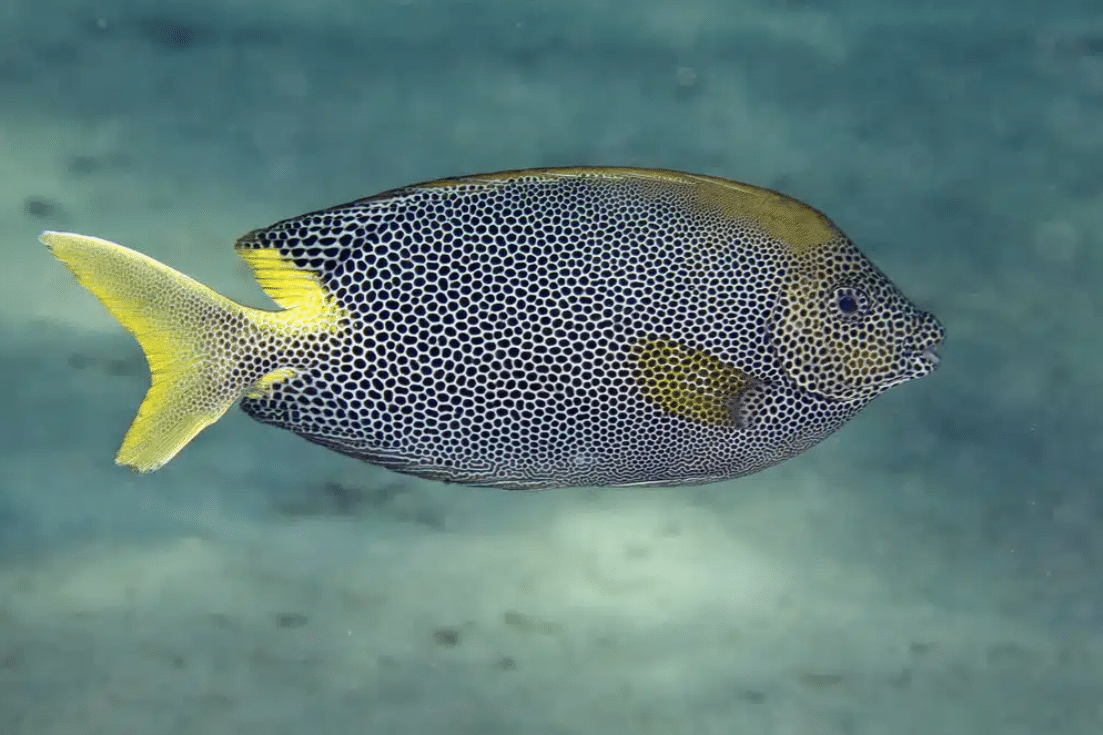
Covered in countless tiny white spots scattered across a dark body, the Starry Rabbitfish (Siganus stellatus) resembles a living constellation cruising through the reef. While many marine hobbyists gravitate toward brightly colored angelfish, tangs, or wrasses, the Starry Rabbitfish quietly earns admiration through its unique appearance, useful algae-eating habits, and generally peaceful nature.

Native to coral reefs throughout the Indo-Pacific, this fascinating species belongs to the rabbitfish family, a group known for their rabbit-like faces and exceptional grazing abilities. Despite their somewhat humble reputation compared to more famous reef fish, rabbitfish perform a critical ecological role both in the wild and in aquariums by helping control algae growth.

Whether you’re looking for an effective herbivore, an eye-catching display fish, or simply a species with an interesting personality, the Starry Rabbitfish deserves a closer look.

Research Insights: Written in the Stars

Marine biologists have long been interested in rabbitfish because of their importance to coral reef ecosystems.

Across tropical reefs, algae and coral are constantly competing for space. Herbivorous fish such as rabbitfish help maintain this delicate balance by consuming algae before it can overwhelm coral colonies. Research on reef ecology has consistently demonstrated that grazing fish play a major role in preserving coral reef health and resilience.

Rabbitfish are particularly effective because they spend much of their day actively foraging. Unlike some herbivores that focus on specific algae types, rabbitfish often consume a broad range of algae and plant material. This flexibility makes them valuable contributors to reef maintenance.

Scientists have also studied rabbitfish for their fascinating social behaviors. Many species form pairs or small groups in the wild, allowing them to forage efficiently while maintaining vigilance against predators. Researchers believe these social structures contribute to their success across a wide geographic range.

Another interesting area of study involves their venomous dorsal spines. While the venom is generally defensive rather than aggressive, scientists continue to investigate the evolutionary advantages of venom systems among reef fishes and how these adaptations reduce predation pressure.

In many reef environments, healthy populations of rabbitfish serve as indicators of balanced ecosystems where coral and algae remain in equilibrium.

Unique Characteristics: A Constellation with Fins

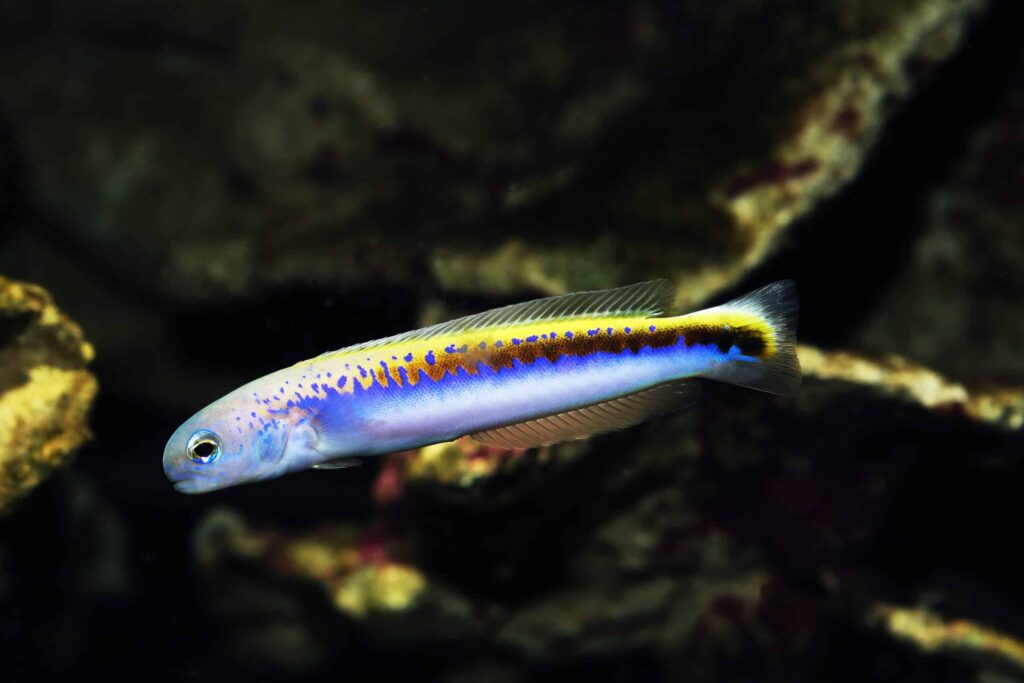
The most obvious feature of the Starry Rabbitfish is its stunning pattern.

Its body is typically dark brown, charcoal, or nearly black, decorated with numerous small white spots that create a star-filled appearance. The pattern can vary slightly between individuals, making each fish feel unique.

Its body shape is laterally compressed, allowing it to maneuver efficiently through reef structures and rocky environments. Like other rabbitfish, it possesses a slightly elongated face that contributes to its common name. When viewed from certain angles, the profile does resemble that of a rabbit.

One particularly fascinating trait is its ability to alter coloration based on mood, stress levels, and environmental conditions. During nighttime resting periods, Starry Rabbitfish may display noticeably different color patterns than during the day.

The species also possesses venomous spines along its dorsal, anal, and pelvic fins. While these spines are primarily defensive and rarely cause serious injury, aquarists should always exercise caution when handling or moving the fish.

Despite this impressive defense system, the Starry Rabbitfish generally prefers avoidance over confrontation. It is much more likely to swim away from perceived threats than to engage in aggressive behavior.

Many aquarists report that their Starry Rabbitfish develops a surprisingly interactive personality over time, often recognizing feeding routines and becoming more confident around aquarium activity.
Diet: The Algae Buffet Champion

If rabbitfish had a favorite restaurant, it would almost certainly be an all-you-can-eat algae buffet.

The Starry Rabbitfish is primarily herbivorous and spends much of its day grazing on algae growing across rocks, reef structures, and aquarium surfaces. This constant feeding behavior helps replicate the ecological role it performs in nature.

In captivity, a varied diet promotes optimal health and coloration. Suitable foods include:

  • Marine algae sheets
  • Nori
  • Spirulina-based foods
  • Herbivore pellets
  • Vegetable-based frozen foods
  • Marine plant matter

While predominantly herbivorous, Starry Rabbitfish may occasionally consume small amounts of meaty foods such as mysis shrimp or finely chopped seafood. These supplemental foods can provide additional nutritional variety but should not replace the plant-based foundation of the diet.

Their grazing behavior can provide substantial benefits within larger reef aquariums. By consuming nuisance algae, they help reduce competition for corals and contribute to a cleaner overall appearance.

Many hobbyists consider rabbitfish among the most efficient algae-control fish available for larger marine systems.

Size and Tank Requirements: Room to Roam Beneath the Stars

Juvenile Starry Rabbitfish often appear modest in size when first introduced to an aquarium. However, they grow considerably larger than many hobbyists initially expect.

Adults can reach approximately 12 inches (30 cm) in length, making them a substantial addition to any marine aquarium.

Because of their adult size and active swimming habits, a minimum aquarium size of 125 gallons is generally recommended, with larger systems providing even better long-term conditions.

Ideal aquarium parameters include:

  • Temperature: 72–78°F (22–26°C)
  • Specific Gravity: 1.023–1.025
  • pH: 8.1–8.4
  • Moderate to strong water movement
  • Excellent biological filtration
  • Stable water quality

Aquascaping should provide a combination of open swimming space and rocky structures for grazing. Live rock is particularly valuable because it supports natural algae growth while providing shelter and environmental enrichment.

Like many reef fish, Starry Rabbitfish appreciate stability. Sudden changes in water chemistry can lead to stress and compromise overall health.

Providing a mature, well-established aquarium helps maximize long-term success with this species.

Compatibility: Peaceful Neighbor or Reef Rule-Follower?

One of the Starry Rabbitfish’s strongest attributes is its generally peaceful temperament.

Unlike some territorial tangs or aggressive angelfish, Starry Rabbitfish typically coexist well with a wide variety of marine tankmates. Suitable companions often include:

  • Tangs
  • Wrasses
  • Clownfish
  • Cardinalfish
  • Gobies
  • Blennies
  • Larger peaceful angelfish
  • Reef-safe community fish

Their calm demeanor makes them excellent additions to larger community aquariums where aggression management is a priority.

However, caution should be exercised when housing multiple rabbitfish species together, particularly in smaller systems. Territorial disputes may occur if sufficient swimming space is unavailable.

Reef compatibility is generally favorable, although individual behavior can vary. Some rabbitfish may occasionally nip at soft corals, zoanthids, or fleshy large-polyp stony corals, particularly if dietary needs are not being fully met. Well-fed individuals are often less likely to exhibit these behaviors.

For many hobbyists, the benefits of their algae-grazing capabilities significantly outweigh the relatively low risk of occasional coral sampling.

As always, individual personalities can differ, making observation an important part of responsible fishkeeping.

Species Summary: More Than Just a Pretty Pattern

The Starry Rabbitfish offers an appealing combination of beauty, utility, and personality.

Its star-speckled appearance immediately distinguishes it from many other marine fish, creating visual interest without relying on bright colors or dramatic finnage. At the same time, its appetite for algae provides practical benefits that many aquarists appreciate.

Unlike purely ornamental species, the Starry Rabbitfish actively contributes to aquarium maintenance through its natural grazing behaviors. This makes it both visually attractive and functionally valuable.

Additional strengths include:

  • Unique celestial appearance
  • Excellent algae-control abilities
  • Generally peaceful temperament
  • Hardy nature when properly housed
  • Interesting social and behavioral traits
  • Strong adaptability to established marine aquariums

For hobbyists with appropriately sized systems, few fish offer such a balanced combination of aesthetics and ecological usefulness.

Wrap – Up: Reaching for the Stars in Your Reef Aquarium

The Starry Rabbitfish proves that not every remarkable marine fish needs neon colors or extravagant fins to capture attention. Sometimes, a constellation of tiny white stars scattered across a dark canvas is more than enough.

Its peaceful personality, hardworking grazing habits, and distinctive appearance make it one of the more underrated treasures of the marine aquarium hobby. Whether it’s methodically browsing algae-covered rockwork or gliding gracefully through open water, this species brings both beauty and purpose to larger reef systems.

For aquarists interested in learning more about fascinating marine species, aquarium care, reef ecosystems, and responsible fishkeeping, Frags 2 Fishes provides a wealth of educational resources and equipment designed to support thriving aquatic environments. Whether you’re just beginning your marine aquarium journey or expanding an established reef system, there’s always something new to discover beneath the surface.

Leave a Reply